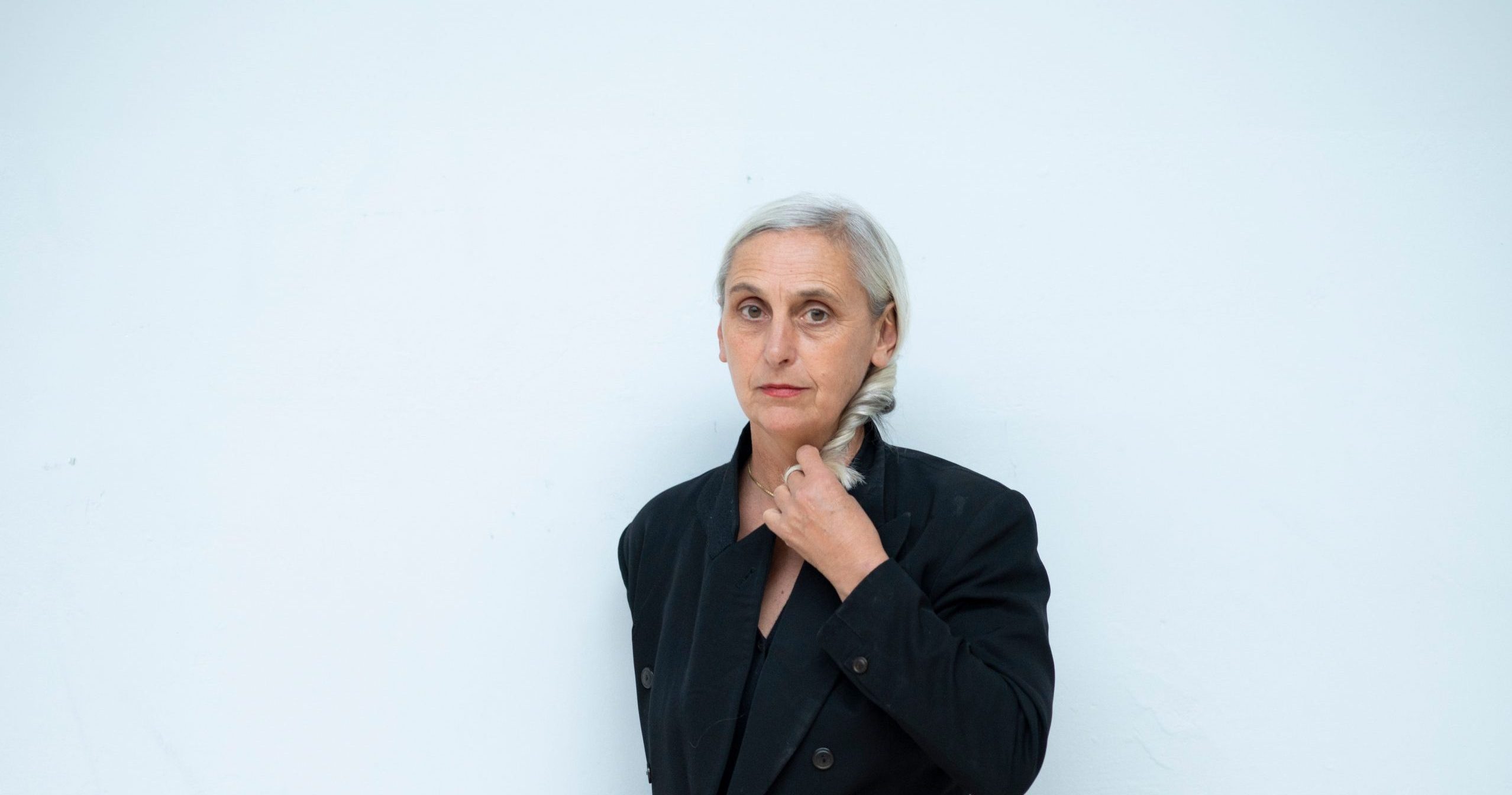






Norwegian choreographer, writer and director Alan Lucien Øyen believes it is vital to keep re-telling the stories of individuals who are not afraid of speaking out against violence and injustice. His latest work re-imagines Antigone—Sophocles' ancient tragedy from the fifth century BC. "It's frightening how relevant this almost 3,000-year-old text is today," Øyen says.

Antigone, the daughter of the accursed King Oedipus, returns to Thebes following her father's death. Antigone's uncle, Creon has become king after her brothers have killed each other, and Creon decrees that her brother, Polynices, will not only be left unburied, but that anyone who gives him funeral rights will be executed.
Caught burying her brother, Antigone tells Creon, that doing what is right, whatever the cost, is more important than obeying the law. Creon condemns her to death and then relents, but it's too late—Antigone has already killed herself. Her fiancé, Creon's son Haemon, and Creon's wife also kill themselves, highlighting the divine punishment handed to those who defy the sacred order.
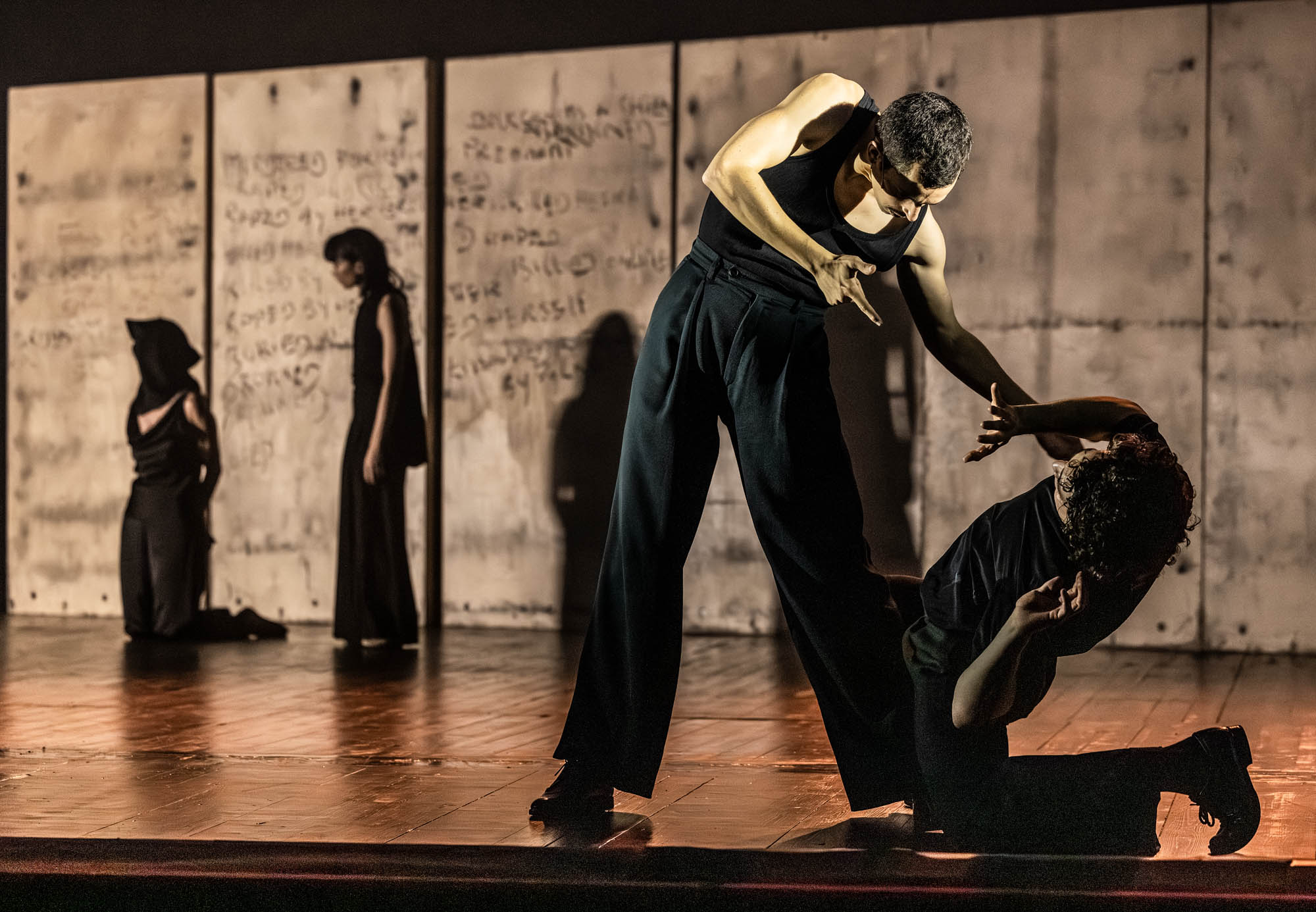
Øyen is now something of an expert on Antigone—he has been commissioned to stage it twice within two weeks. "I understand why everyone wants to stage it now, given the world we live in," says Øyen, who first directed the Sophocles play in Norway and then his company winter guests created a dance-based version for the Antigone Festival in Rome in summer 2025.
Directing the original play, which he set in a funeral home, gave him a deeper insight into the story: "It's a play about someone wanting to bury someone, about human dignity."
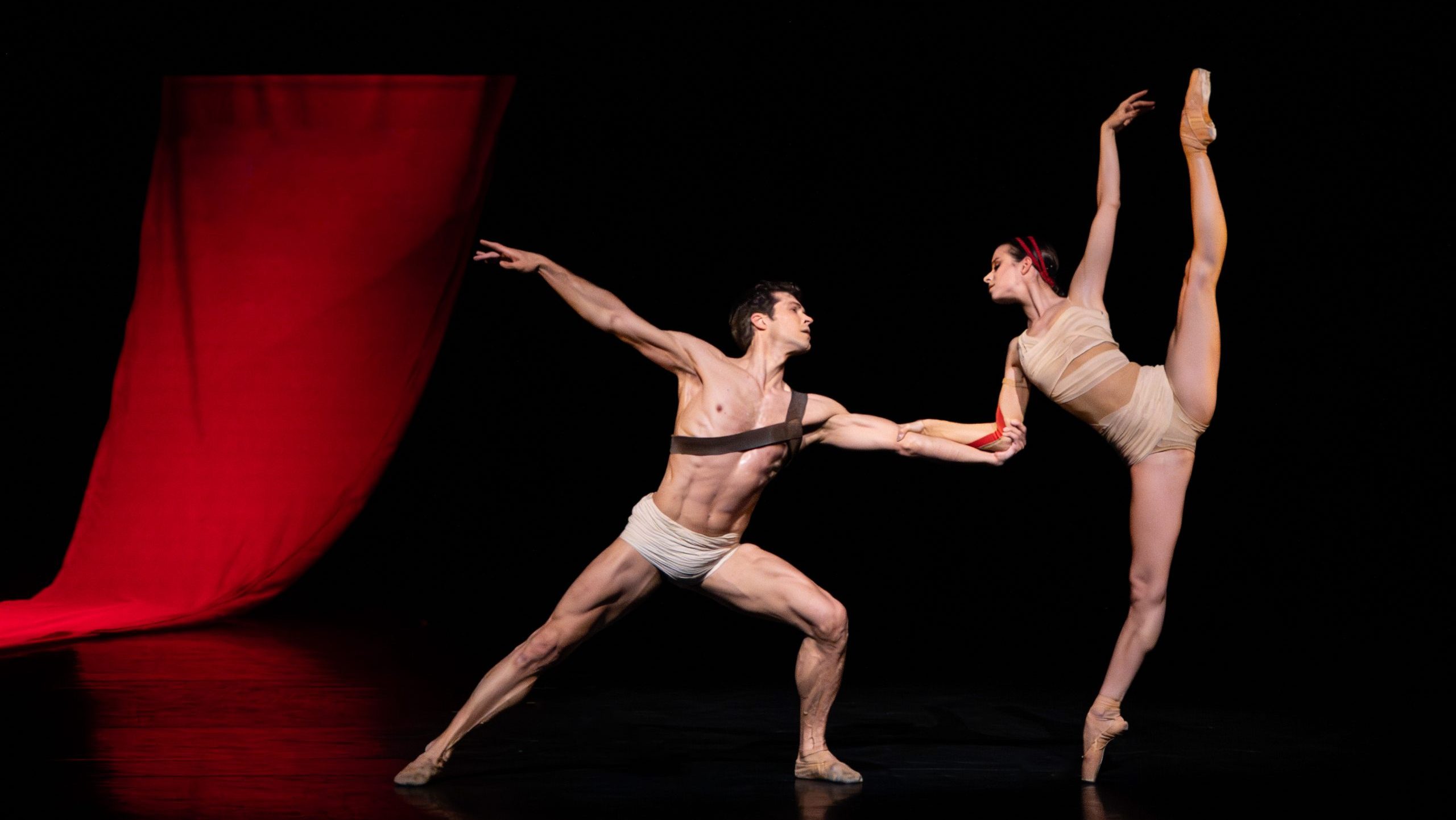
The dance-based production coming to the HKAF is completely different. It features his signature blend of dance, theatre and text, and takes a more abstract, eclectic approach. While "all the elements of the story are there", the narrative has been "blown apart".
The work was created through what Øyen describes as "open exploration" with his cast of nine dancers, four of whom are from Pina Bausch's legendary Tanztheater Wuppertal, working together and pooling their ideas. "Sometimes I would shape their ideas, sometimes I would leave them untouched."
One of the early ideas—and one that made it into the final production—came from Tanztheater's Fernando Suels Mendoza. When Øyen questioned what would happen when a war had ended, how would people go on with their lives, Mendoza took a flower from a vase, took off all the petals, then taped them back together. "I thought that was such a beautiful image of dignity, hope, futility," says Øyen, "because the flower is already dead. It's been cut, it's broken, but when the petals are stuck back on, it's so beautiful. There is hope somehow."
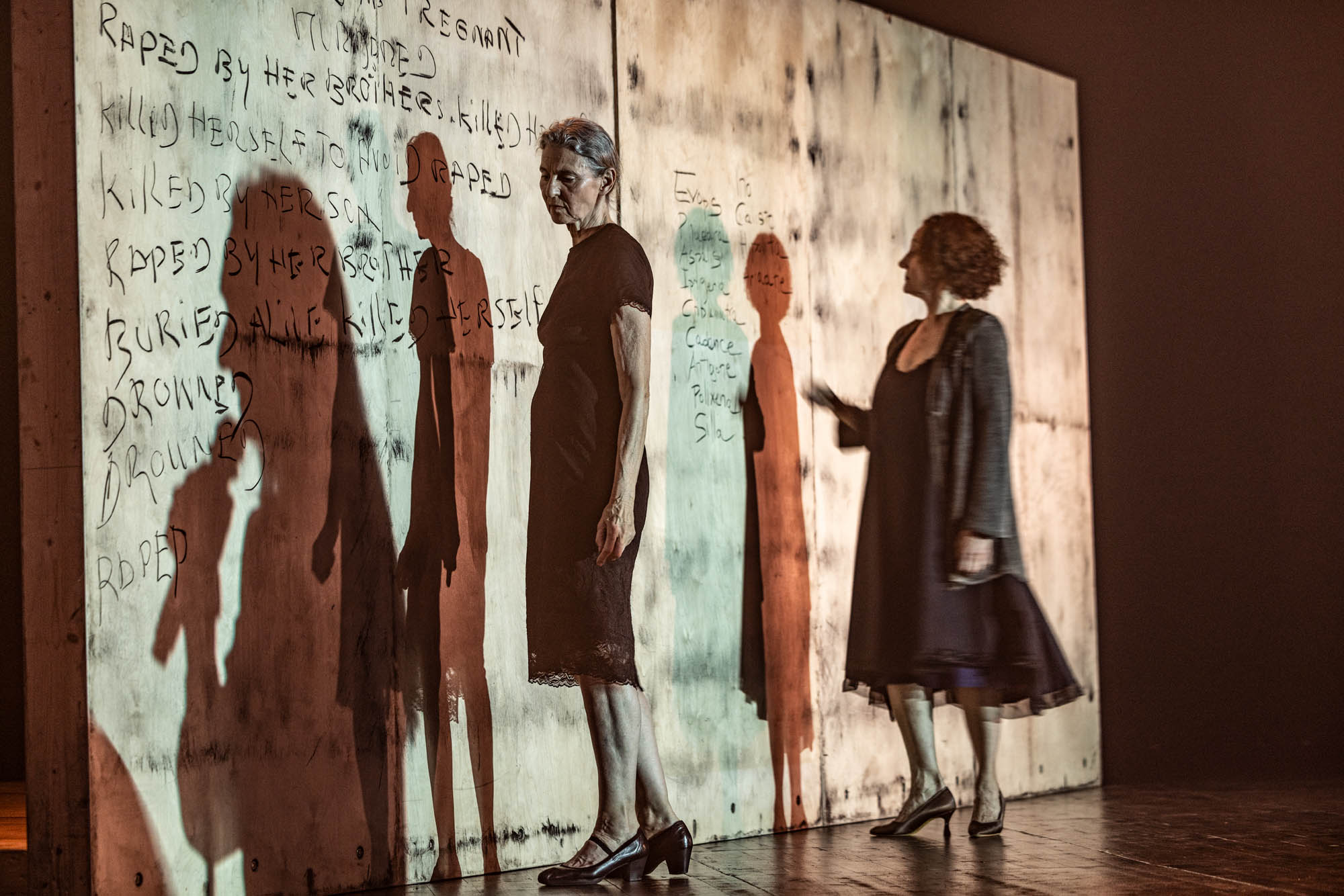
Øyen wanted this version of Antigone to feel contemporary, drawing modern parallels with the history of women in Greek mythology, who endured horrific violence, something which persists today: "Violence against women. Violence in general. Abuse of power."
While the original play's concern with offending the gods may not be as relevant today, the idea of doing what is right remains compelling. Whatever your beliefs are, Øyen says, "everybody's horrified by the idea of not burying someone—that's just not right. It's against the laws of nature and is not dignified. That's the most important thing about this piece: it speaks about human dignity and tries to show the way we should behave."
If Antigone was a supreme example of loyalty and duty to the ancient Greeks, in recent times she has come to symbolise the choice of free will over fate and the courage to stand up to the forces of oppression. For example, when French dramatist Jean Anouilh's version of the play was performed in Paris under Nazi occupation in 1944, the parallels were clear. "I understand why we love her so much," says Øyen. "She speaks out. And it's amazing this was written 3,000 years ago."
Antigone
Date: 6-7 Mar, 2026
Venue: Lyric Theatre, The Hong Kong Academy for Performing Arts
Details: https://www.hk.artsfestival.org/en/programme/Antigone