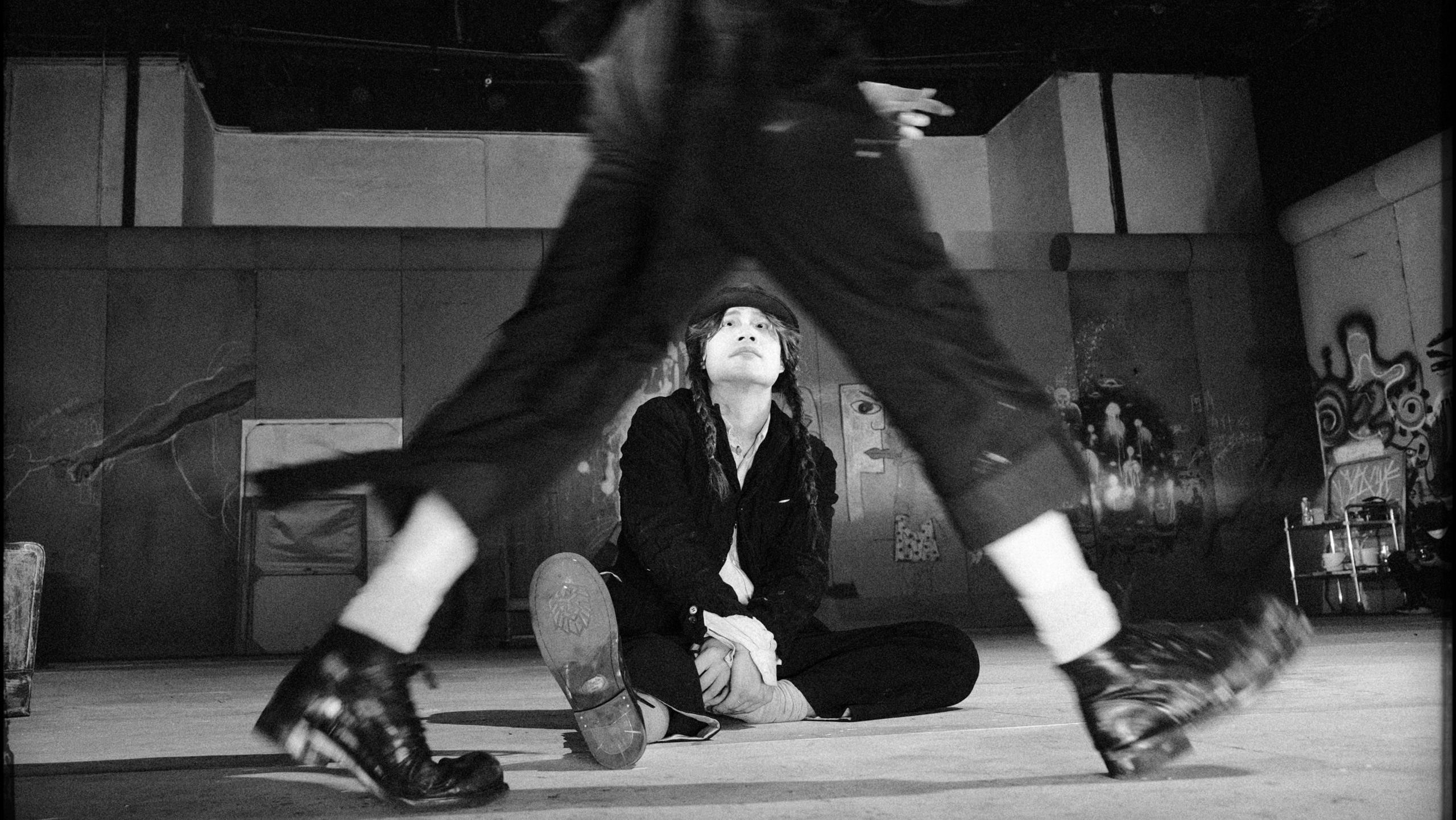



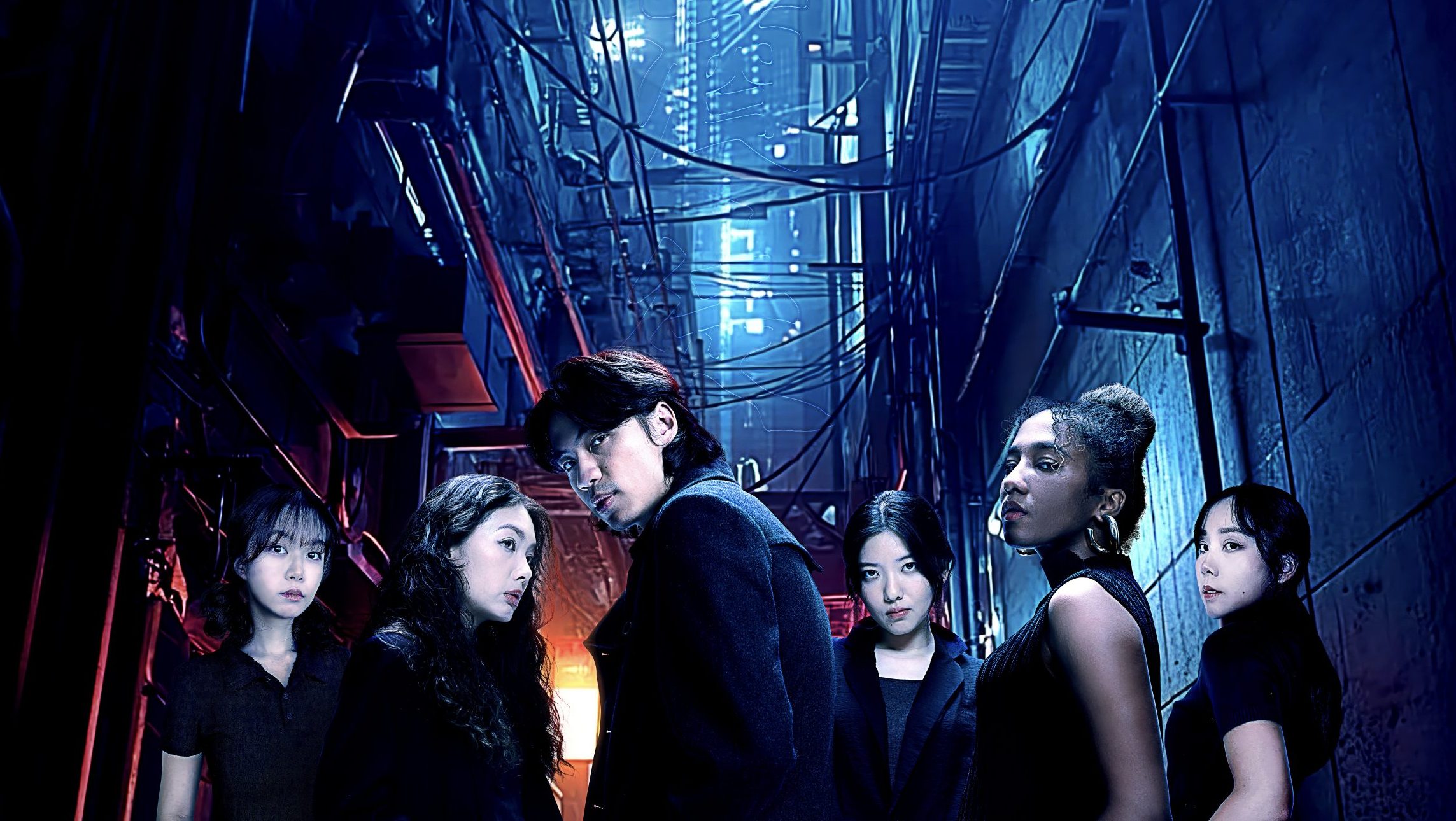

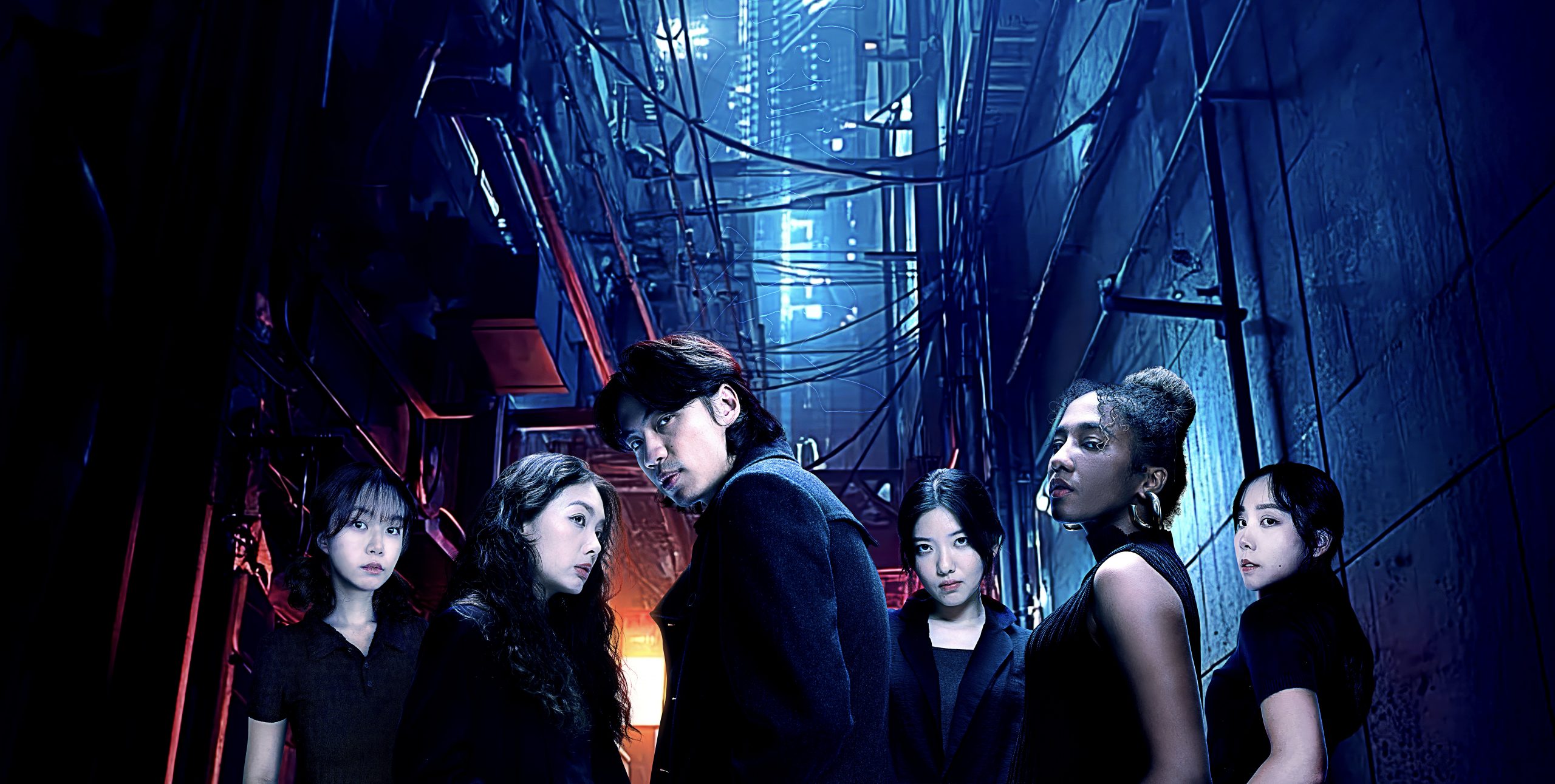
In the world of contemporary theatre, German director Sebastian Kaiser continues to push the boundaries with his playful yet thought-provoking concept known as "Super Poor and Totally Mobile Theatre". His latest experiment is an adaptation of Liu Yichang's seminal novel The Drunkard, taking audiences on a stream-of-consciousness journey through the eternal struggles of artists caught between reality and dreams.
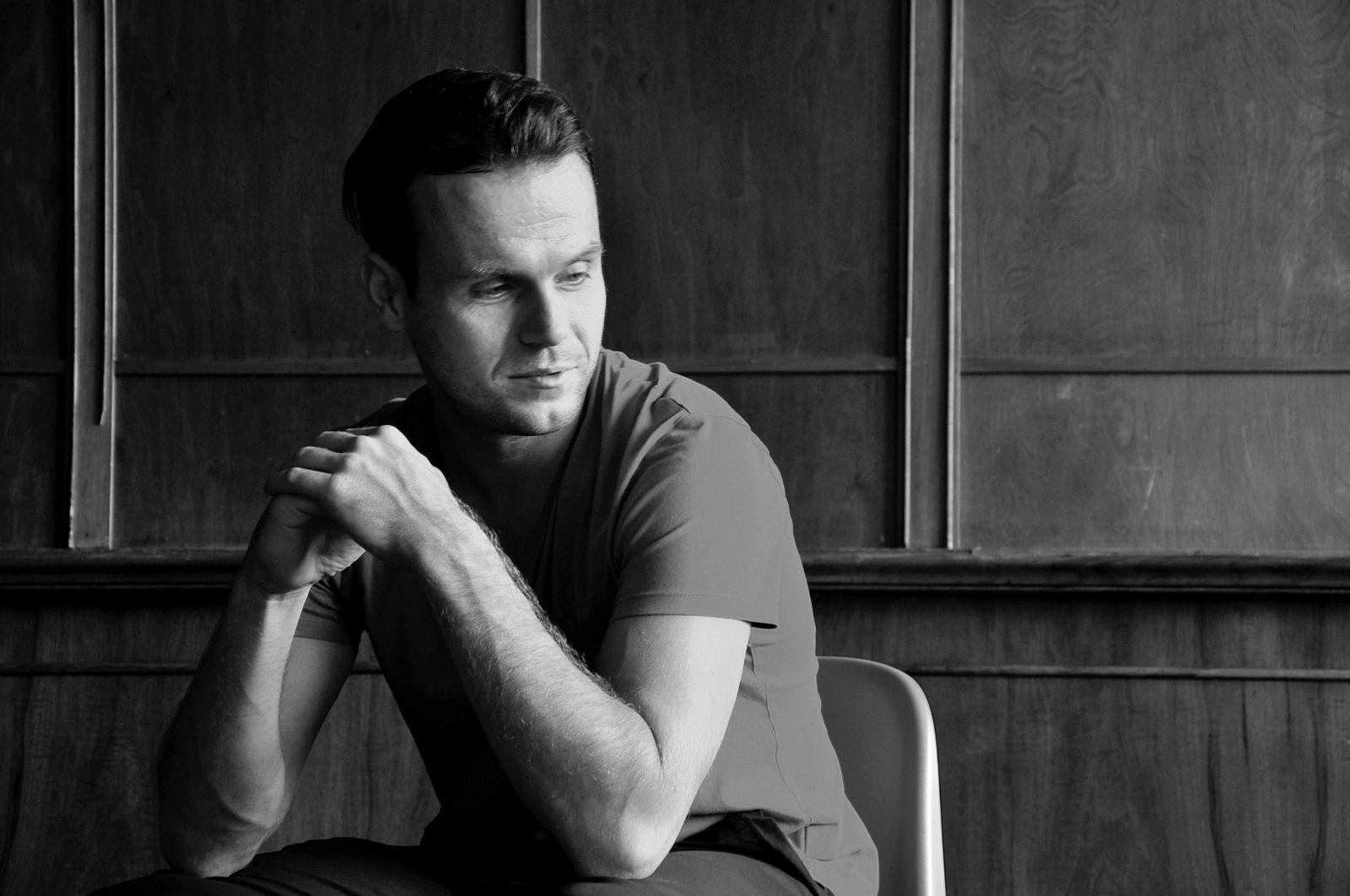
The term "Super Poor and Totally Mobile Theatre" playfully alludes to Erwin Piscator (1893–1966) and Jerzy Grotowski (1933–1999), two major experimental figures in 20th-century theatre, though only in a loose way. Polish theatre legend Grotowski's "Poor Theatre" concept developed in the 1970s, advocated stripping theatre of all unnecessary elements—make-up, costumes, sets, lighting and so on—to focus entirely on the live, direct connection between actors and audiences. He even proposed abandoning the traditional stage/audience setup, designing a unique space for each production.
However, Kaiser notes that he is not directly influenced by Grotovski. Rather, the idea serves as a starting point for his own playful experiments, a set of self-imposed rules to spark creativity. "Super mobile really concerns the theatre room and the fact that we have a big focus on acting … This is a play with words. It can be super poor, totally mobile, mega embarrassing and ultra funny," he says with a laugh.
Kaiser traces the idea of "mobility" in the theatre back to 17th-century France, when Molière and his troupe toured villages with a wagon called the "Chariot of Thespis". It carried props and costumes, allowing them to set up stages outdoors, sell tickets and perform before moving on to the next village. Kaiser sees parallels in today's globalised world: "We also make a kind of theatre that's totally mobile. Today, we take our phones and our video projector, we put it in our hand luggage, and then we travel somewhere else and show it there." As for what this looks like in practice, Kaiser prefers to maintain the mystery, encouraging audiences to experience it firsthand in the theatre.
Drawing inspiration from cinema
The Drunkard is widely regarded as the first stream-of-consciousness novel in Chinese. Set in 1960s Hong Kong, it tells the story of a former Shanghai journalist who flees the city during the war and turns to alcohol to numb his frustrations. While the novel lacks a clear plotline, Kaiser sees this as a liberating feature: "He is not a storyteller like those writing plays for Broadway and Hollywood, where everything is clear and explainable. There, nothing is random or meaningless. But Liu Yichang's style is more modern, using words to create a form that reflects a certain emotion. And this emotion is stronger than words, somehow. This is very attractive to me, especially when you know he was not a drunkard."
Kaiser explains that alcohol serves as a tool to drive the story in the novel: "This idea of taking a trip somewhere … being on a trip through Hong Kong, through the bars, being on a trip on a wave of love. Hong Kong, this megapolis where so many lonely people are running around seeking love, seeking happiness."
Interestingly, Kaiser learned that Wong Kar-wai's iconic films In the Mood for Love and 2046 were inspired by The Drunkard. "Both films are part of the cultural pop consciousness worldwide … My cultural knowledge about Asia is very much determined by the films of Wong Kar-wai. "
Kaiser marvels at the way Wong didn't take specific plot points or events from the book, but borrowed character, such as the iconic smoking scenes. In The Drunkard, the young woman, Szema Lee leans against a wall, cigarette in hand, smoking in the drunkard's room—a moment that Wong re-interpreted on screen. "Of course, we have to relate somehow in the show to the films … We will use these moments of the love story because it's written in the book. As far as Wong Kar-wai was inspired by The Drunkard, I also allow us to be inspired by Wong Kar-wai," Kaiser says.
His goal is to create a cohesive interpretation of the characters, inviting the audience to follow The Drunkard back to old Hong Kong, chasing dreams that swirl around in a glass.
The eternal struggles of artists
In The Drunkard, Liu Yichang writes: "In philistines' eyes, literature and art are nothing but poison with a sugar coating." This poignant line reflects the challenges faced by artists in 1960s Hong Kong, a highly commercialised society that left little room for idealism. Kaiser compares this to his own experience in Germany, where strong government funding for the theatre offers artists a degree of freedom. "In Germany, we have a very strong culture of theatre-founded theatres. We get the funding and the budget, and we can do more or less what we want with it. The freedom is very much protected … But I know Hong Kong is much more commercial. I'm also sure that young artists are struggling with this."
Through his adaptation, Kaiser plans to delve into these struggles. He draws parallels with Aristophanes, who reflected on the relationship between artists and society in ancient Greece, and Molière, who wrestled with similar issues throughout his career. "This is a universal topic and for sure also relevant today in Hong Kong—not just the writers, but especially the theatre makers," he says. Liu's portrayal of the artist's plight remains timeless—an ongoing reflection for creatives across generations.
Sebastian Kaiser X HKAPA—The Drunkard
Date: 28 Feb- 8 Mar, 2026
Venue: Studio Theatre, Hong Kong Cultural Centre
Details: https://www.hk.artsfestival.org/en/programme/Sebastian-Kaiser-X-HKAPA-The-Drunkard