



Above the archway at the main entrance to the Tung Wah Coffin Home are the characters "息動歸靜" ("Returning to Stillness"). This symbolises the belief that after the ups and downs of life, we all ultimately return to peace and that death represents the final stage in humanity's journey towards tranquillity. This idea—of finding rest after the labours of life—has long echoed through cultures around the world, with "rest in peace" one of the most universal expressions of condolence. In Christian tradition, "rest" refers to more than just physical stillness: it marks the soul's peaceful return to God. This longing for rest is at the heart of the requiem—a prayer for the deceased, wishing for comfort and eternal peace for their souls.
The Bible contains numerous passages highlighting the importance of praying for the dead, especially "If he were not expecting that those who had fallen would rise again, it would have been superfluous and foolish to pray for the dead. But if he was looking to the splendid reward that is laid up for those who fall asleep in godliness, it was a holy and pious thought. Therefore he made atonement for the dead, that they might be delivered from their sin." By the 13th century, Catholic doctrine had formally adopted the concept of Purgatory—where the soul is cleansed of impurities before entering Heaven—and believers held that prayers could help purify the souls of departed loved ones, hastening their journey to eternal rest. As a result, requiem masses became widespread and essential rituals.
A traditional requiem—the Latin term for "rest" or "repose"—is divided into 12 parts: the Introit, Kyrie, Gradual, Tract, Sequence (Dies Irae), Offertory, Sanctus, Pie Jesu, Agnus Dei, Communion, Exsequiae (Libera Me) and Valedictio (In Paradisum). Strictly speaking, Pie Jesu (Merciful Jesus), In Paradisum and Libera Me are not part of the formal Mass; Pie Jesu is a short phrase sometimes sung after the Eucharist, while the latter two are used during burial rites. Together, these texts form the foundation of the requiem and have inspired countless composers.
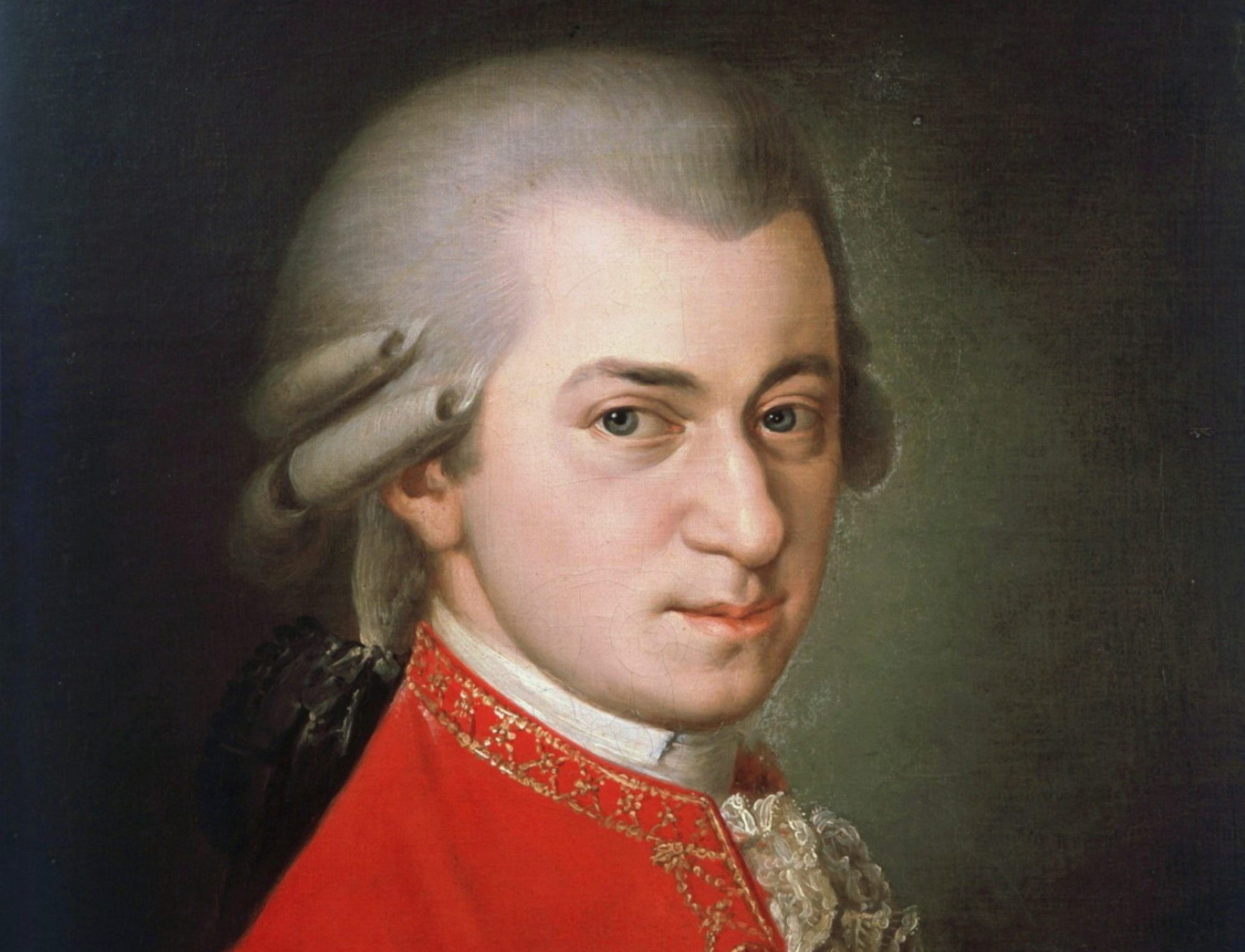
Among them, Mozart's Requiem stands as one of the most celebrated. The film Amadeus suggested that the work was commissioned by an anonymous donor, but it was in fact commissioned by German aristocrat Count Franz von Walsegg to commemorate the death of his late wife. Mozart's Requiem includes all essential parts of the Requiem Mass, except the Gradual and Tract; and doesn't feature Libera Me and In Paradisum either.
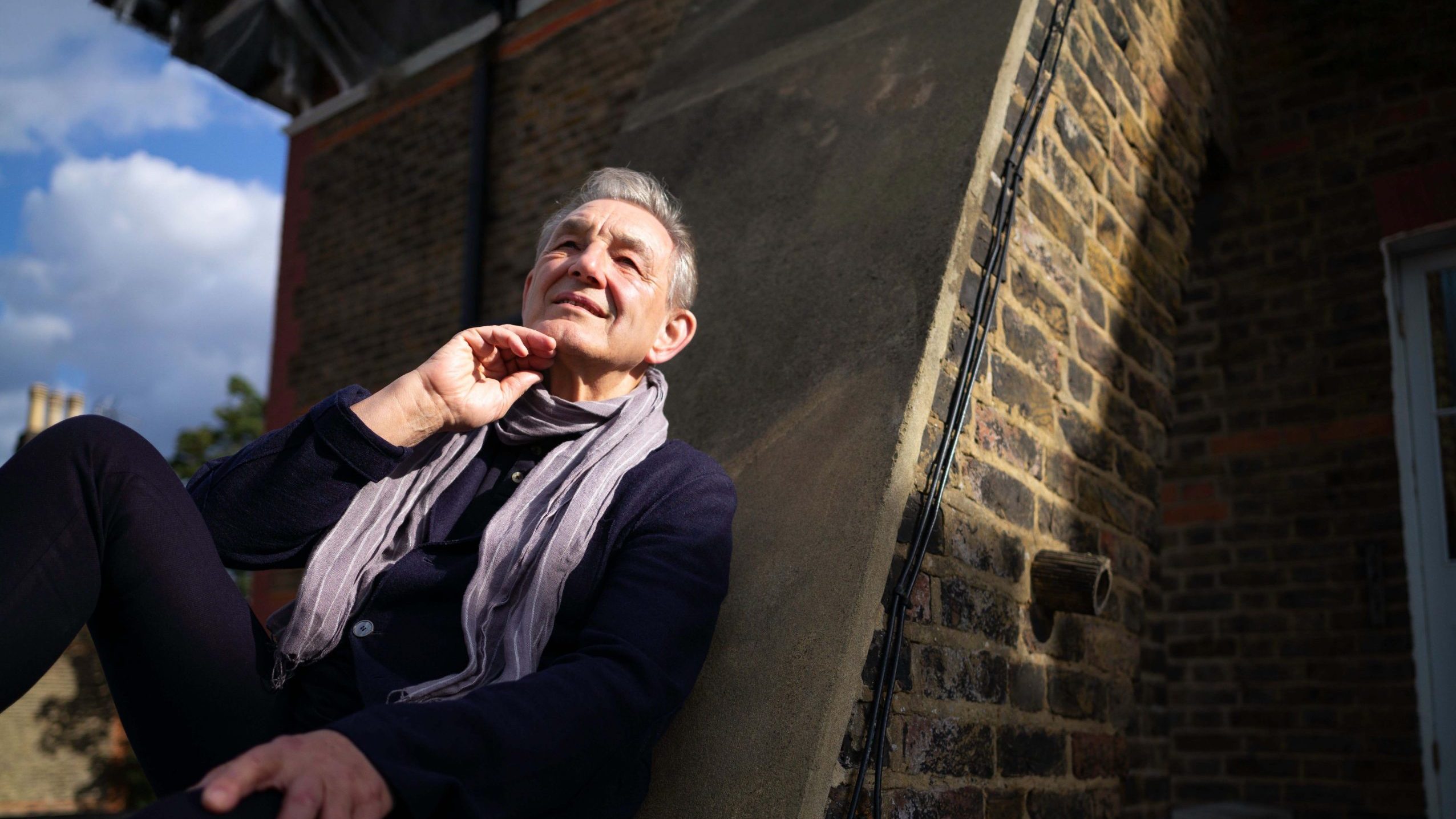
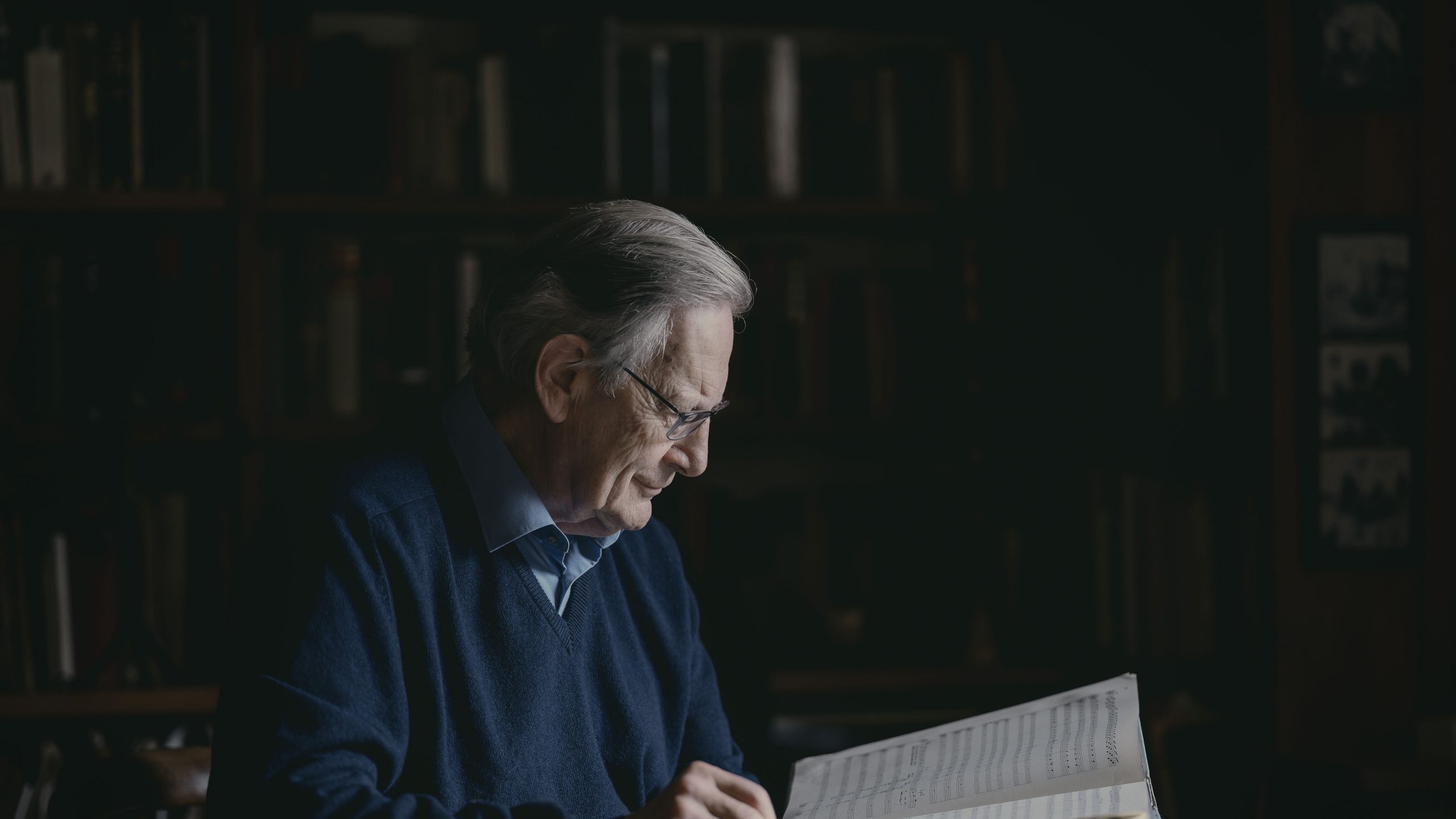
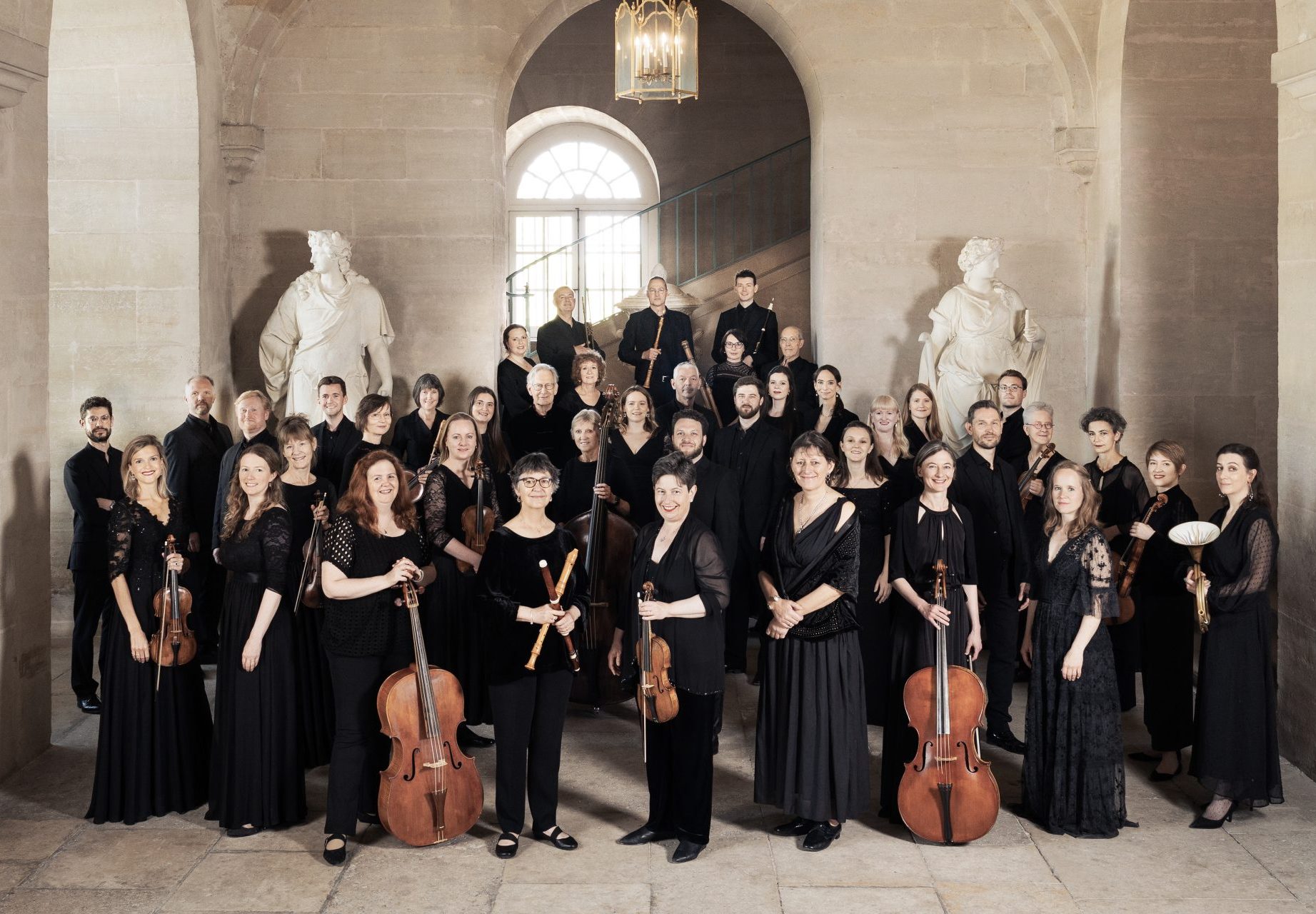
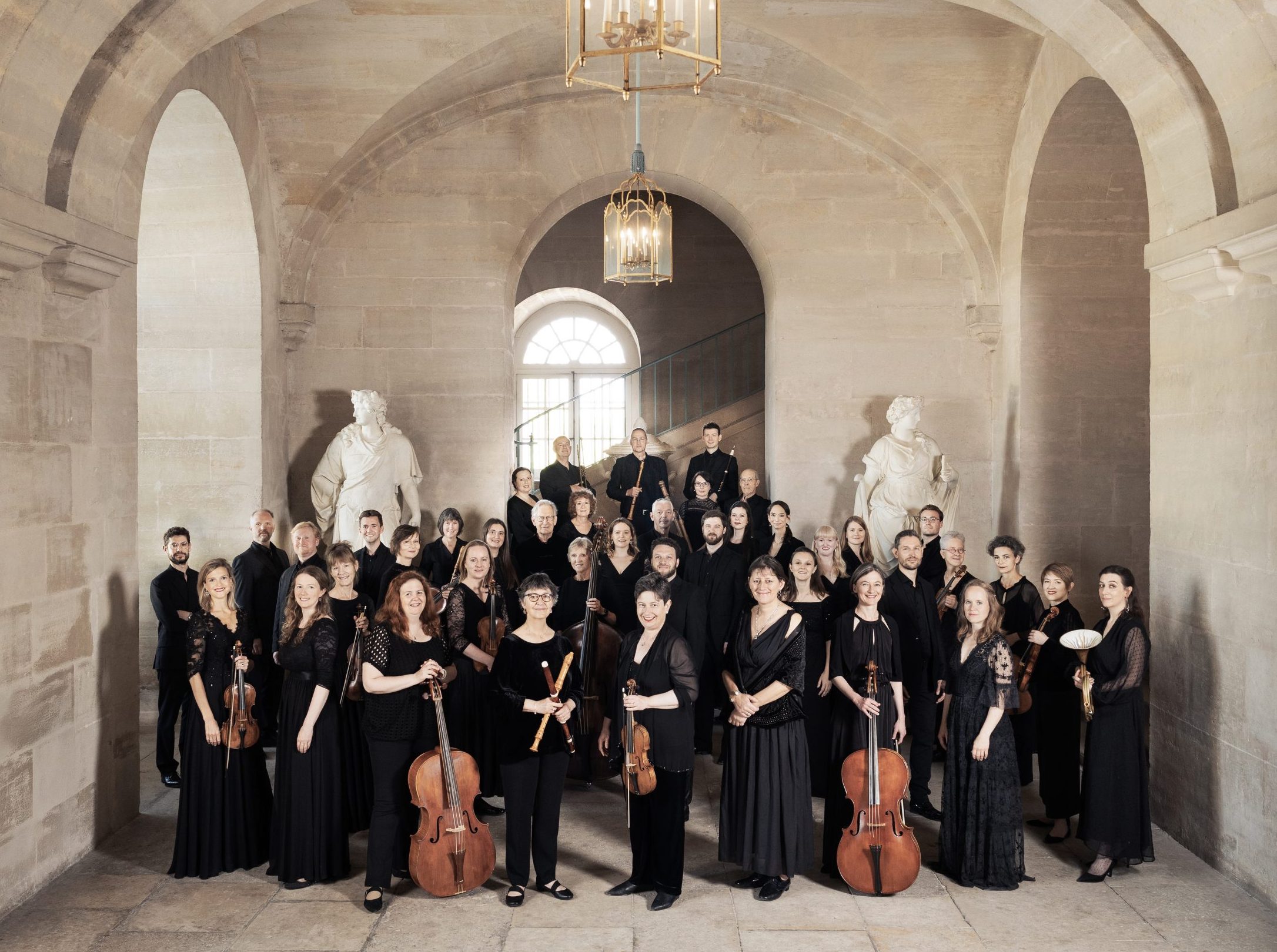
Mozart structured his Requiem in five major sections, each concluding with a fugue. He was unable to complete it before his death, so his pupil Franz Xaver Süssmayr—after initial work by Joseph Eybler and Abbé Stadler—ultimately finished the piece. At the 2026 HKAF, renowned conductor Sir John Eliot Gardiner will lead his Constellation Choir & Orchestra in performing this monumental work. The programme also features Mozart's Great Mass in C minor and, in another concert, Bach's Mass in B minor.
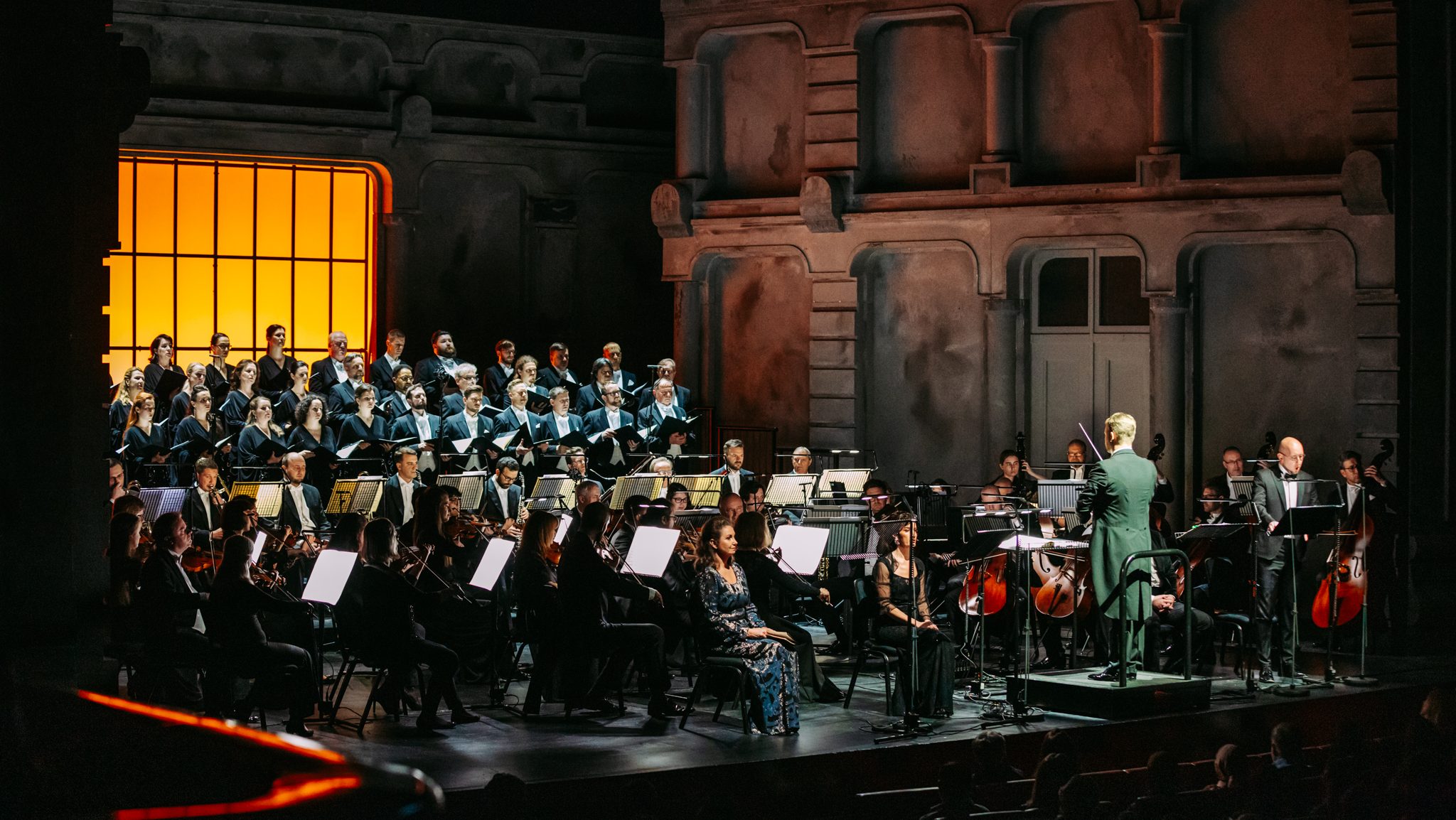
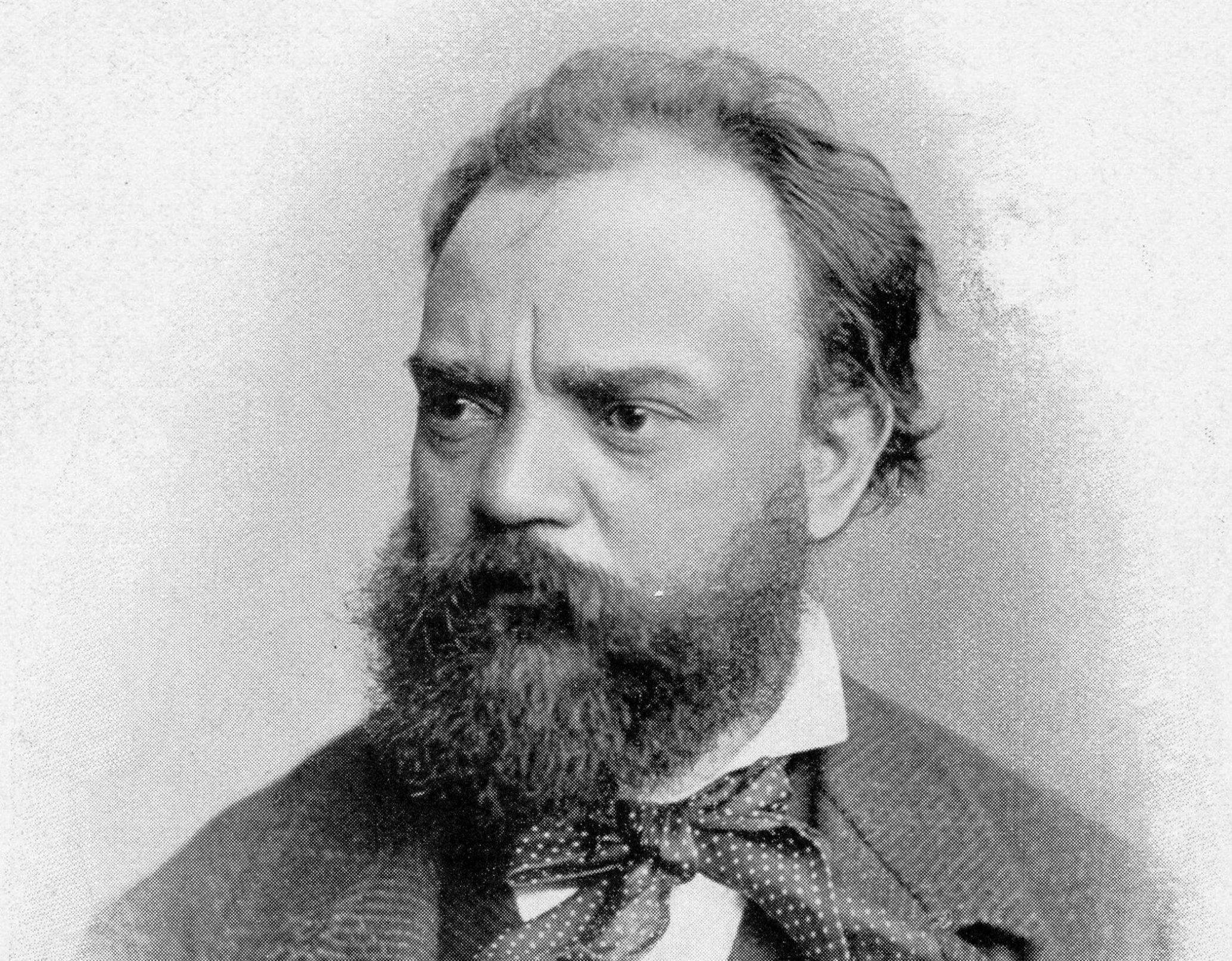
Apart from the famous Mozart Requiem, the HKAF will also be hosting a rare performance of Dvořák's Requiem by the National Theatre Brno Orchestra and Choir. Dvořák used the same text as Mozart, but adding the Gradual before the Sequence, and instead of five parts, Dvořák divided the liturgical text into two parts: the first consists of eight movements, with the emphasis on a more solemn tone; the second part, beginning with the Offertory, has five movements and expresses consolation and conciliation.
The melodic motif F-G-flat-EF acts as a unifying element throughout this monumental work. The melancholic nature (provoked by the semitones) encourages the audience to reflect on questions of life and death. This motif is not unique to the Requiem: Dvořák used this in his song cycle Love Songs which explores the idea of death; Josef Suk and Bohuslav Martinů both paid tribute to Dvořák by quoting this motif in their works.
These two contrasting requiems not only showcase profound and beautiful music, but also offer audiences a chance to experience the unique perspectives of two musical masters on the timeless concept of "returning to stillness".
Sir John Eliot Gardiner and The Constellation Choir & Orchestra
Date: 6-7, Mar 2026
Venue: Concert Hall, Hong Kong Cultural Centre
National Theatre Brno—Dvořák's Requiem
Date: 22, Mar 2026
Venue: Concert Hall, Hong Kong Cultural Centre
Details: https://www.hk.artsfestival.org/en/programme/National-Theatre-Brno-Dvoraks-Requiem