i
The 54th HK Arts Festival .Feature
2026.01.19

Scars in American Contemporary Music

Text / William Lane

American contemporary music holds up a mirror to recent history—cracked, mended and polished anew—and reflects the nation's turbulent state of current affairs, social fractures, evolving national identity and cosmopolitan urban life. From the minimalist masterpieces of Steve Reich to the genre-defying programmes of Imani Winds, this music carries the weight of war, racial injustice and resilience.

At the 2026 HKAF, two groundbreaking programmes—Mivos Quartet's all-Steve Reich retrospective and Imani Winds' celebration of under-represented musical voices—offer a poignant exploration of how music bears witness to the past while forging new paths forward.

Steve Reich's string quartets

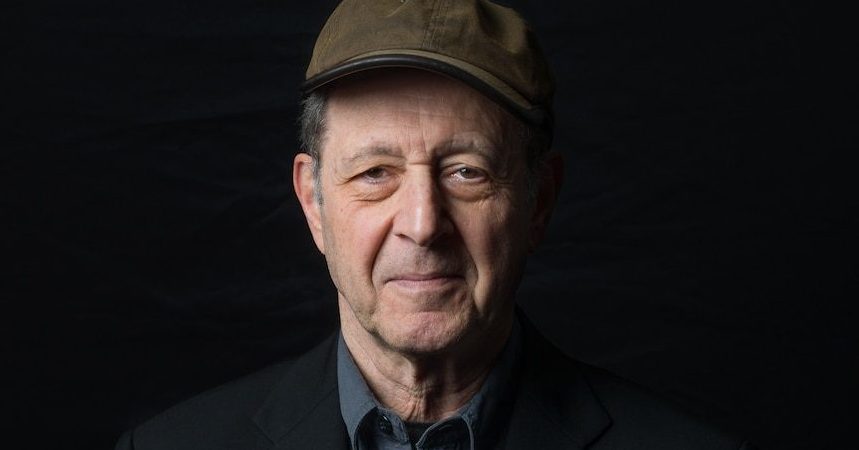
Few composers capture the interplay of memory and modernity like minimalist master Steve Reich, who celebrates his 90th birthday in 2026. Reich is a seminal figure in minimalist music, pioneering its defining techniques. Departing from traditional Western musical structures, he is known for constructing hypnotic patterns from minimal material. His innovative "phasing" process, evident in works such as Triple Quartet, involves rhythmic loops gradually shifting out of synchronisation to generate new melodic and rhythmic layers. Reich's incorporation of non-Western elements inspired by Balinese Gamelan and African drumming, combined with innovative recording techniques in pieces like WTC 9/11 and Different Trains, created a distinctive sonic language that has inspired countless artists across diverse genres.

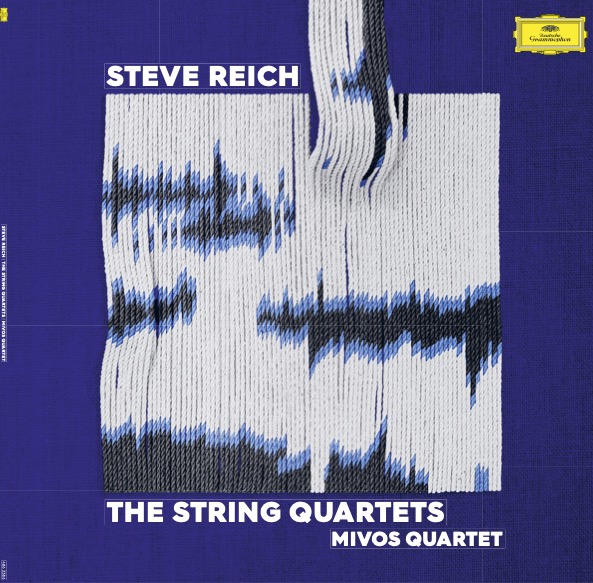
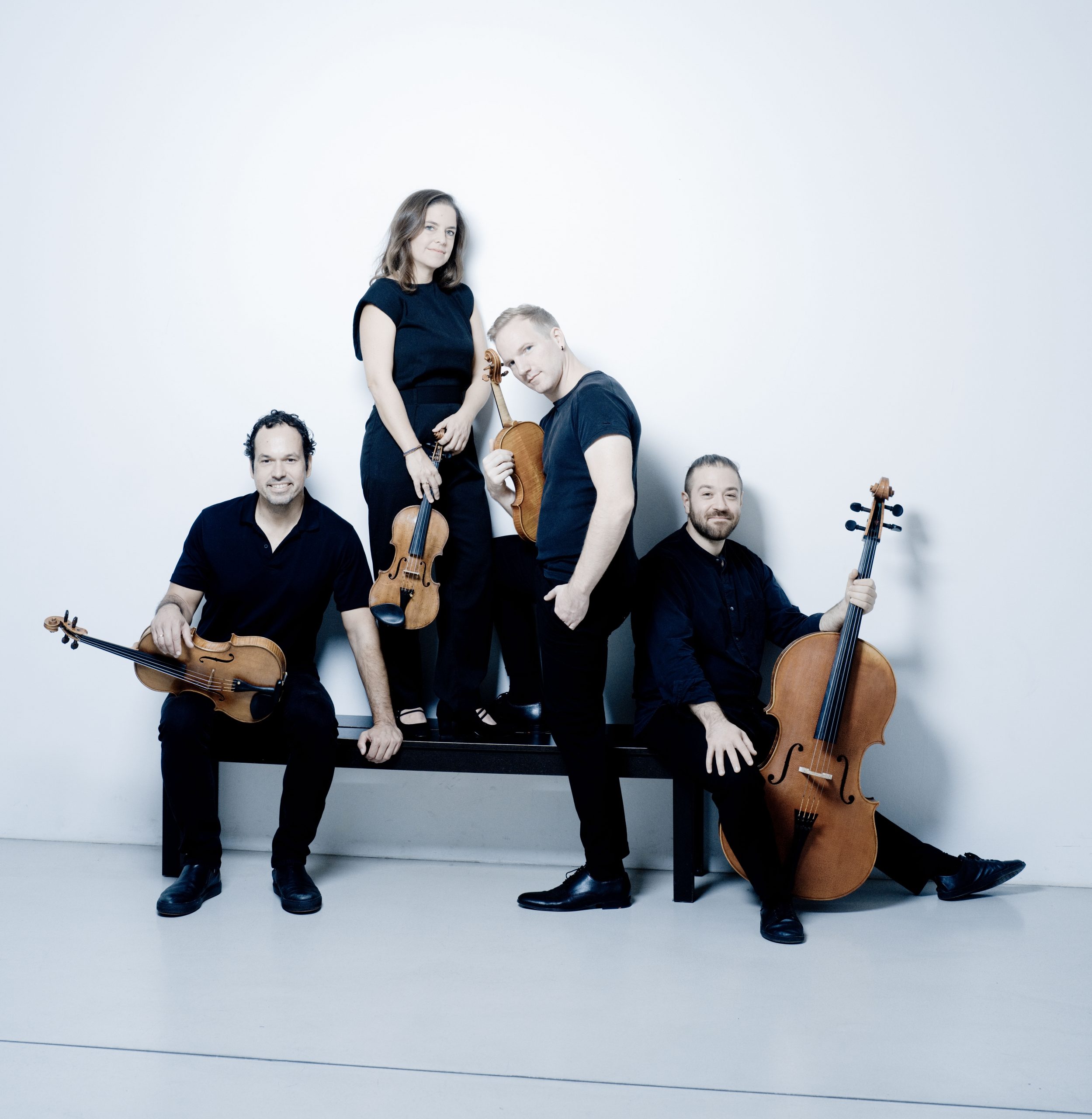
His complete works for string quartet, performed by the New York-based Mivos Quartet, are masterpieces in their own right. Different Trains (1988) juxtaposes recordings of interviews with people in the United States and Europe around the time of World War Two (including Holocaust survivors) with the rhythmic chug of pre-war locomotives represented by the string quartet. As Reich says: "I travelled back and forth between New York and Los Angeles from 1939 to 1942 accompanied by my governess. While these trips were exciting and romantic at the time, I now look back and think that, if I had been in Europe during this period, as a Jew I would have had to ride very different trains."

Similarly, WTC 9/11 (2010) stitches together air-traffic control recordings and first responders' voices during one of America's worst tragedies in recent years, with its repetitive motifs possibly mirroring the cyclical nature of trauma.

Reich's Triple Quartet (1998) layers three string quartets—performed live by string quartet with pre-recorded tracks, or alternatively by three string quartets—in a driving, three-movement cycle. Originally written for the Kronos Quartet, its urgent, insistent energy and phasing effects reflect modern urban life.

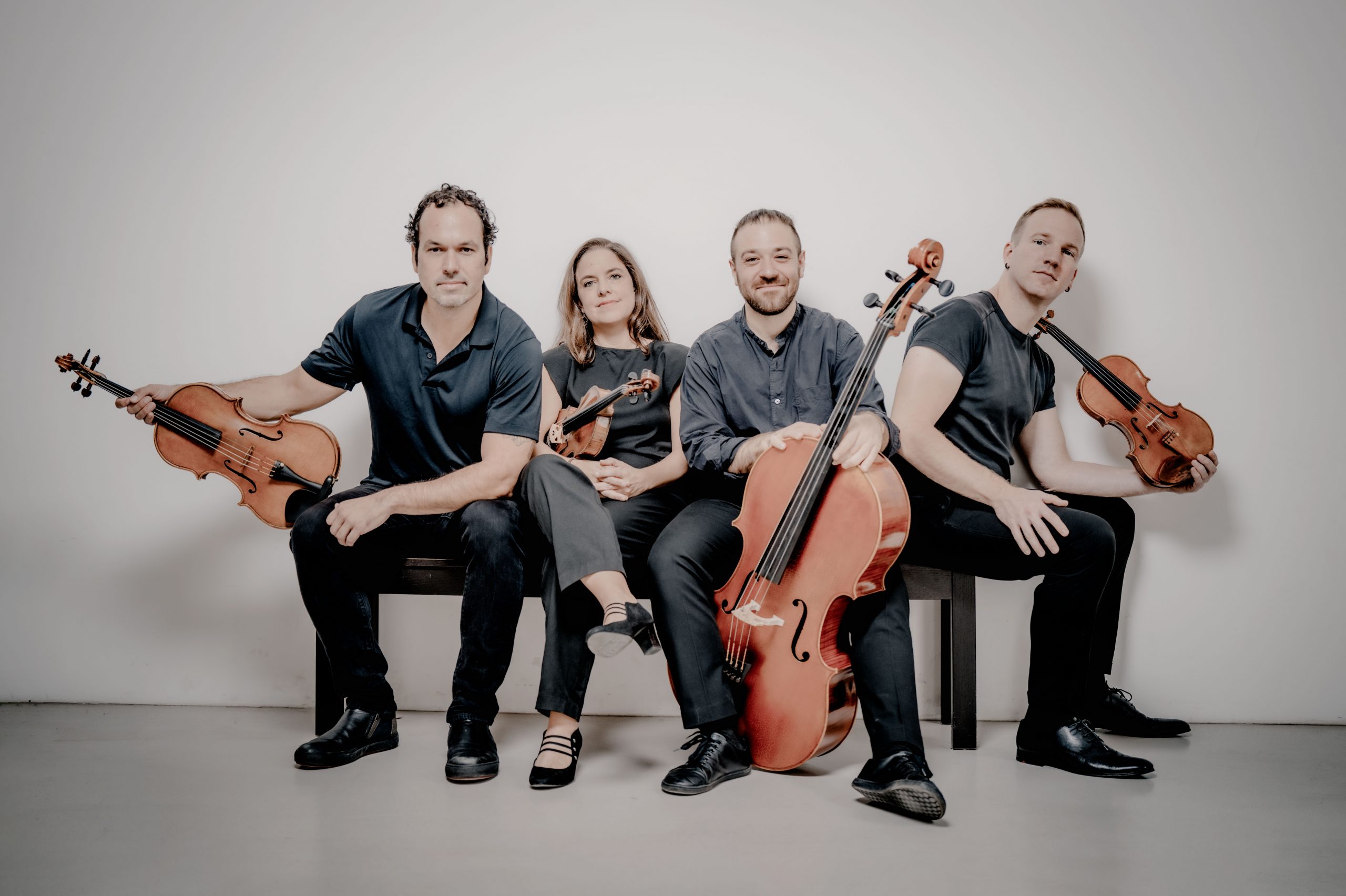
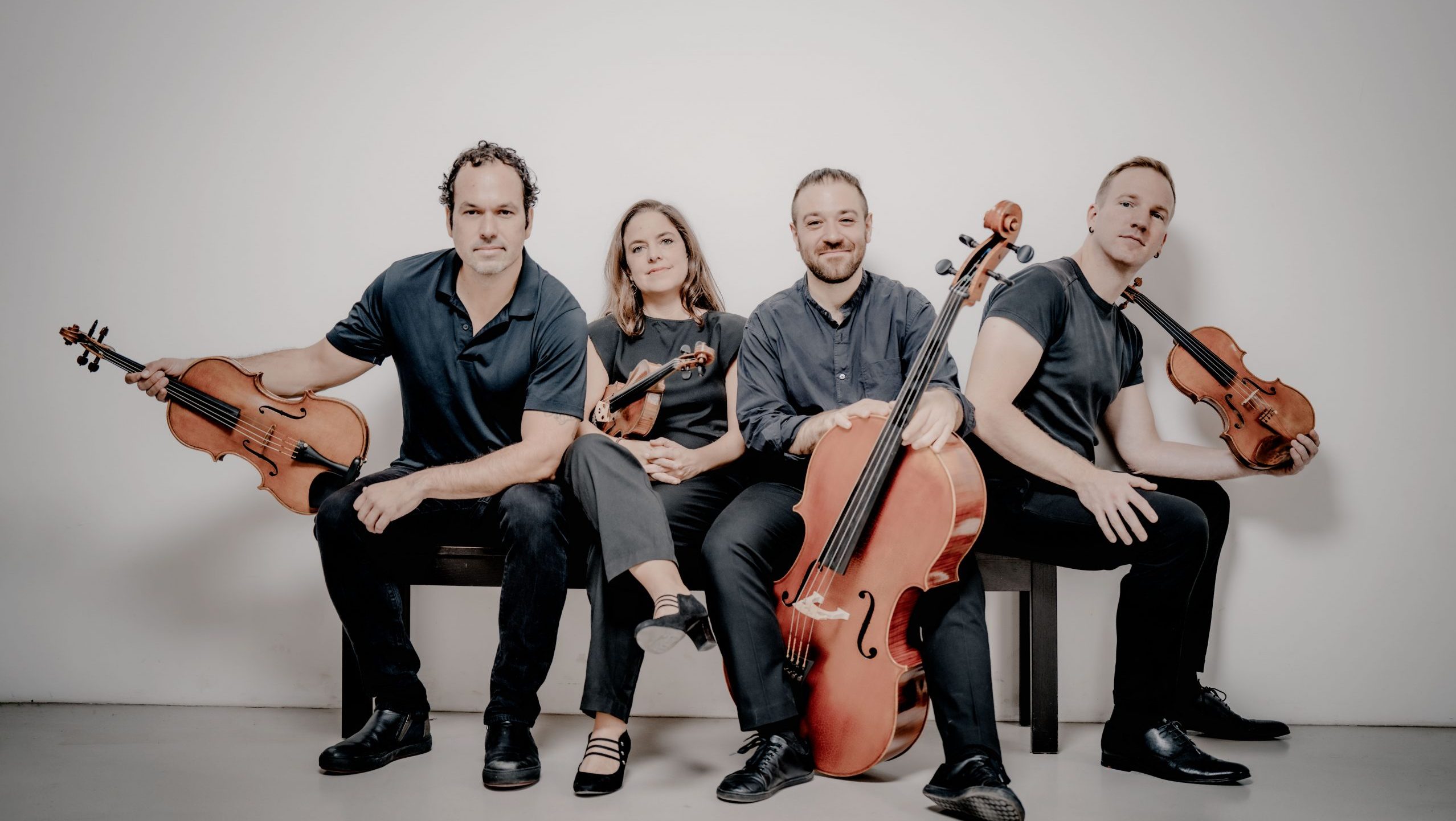
Mivos Quartet, the first ensemble to record all three of Reich's quartets for Deutsche Grammophon, approaches these works with surgical precision. Its 2026 HKAF programme comprising Triple Quartet, WTC 9/11 and Different Trains becomes a triptych of American upheaval, where minimalism meets the monumental forces of world events.

Imani Winds: Reclaiming new narratives

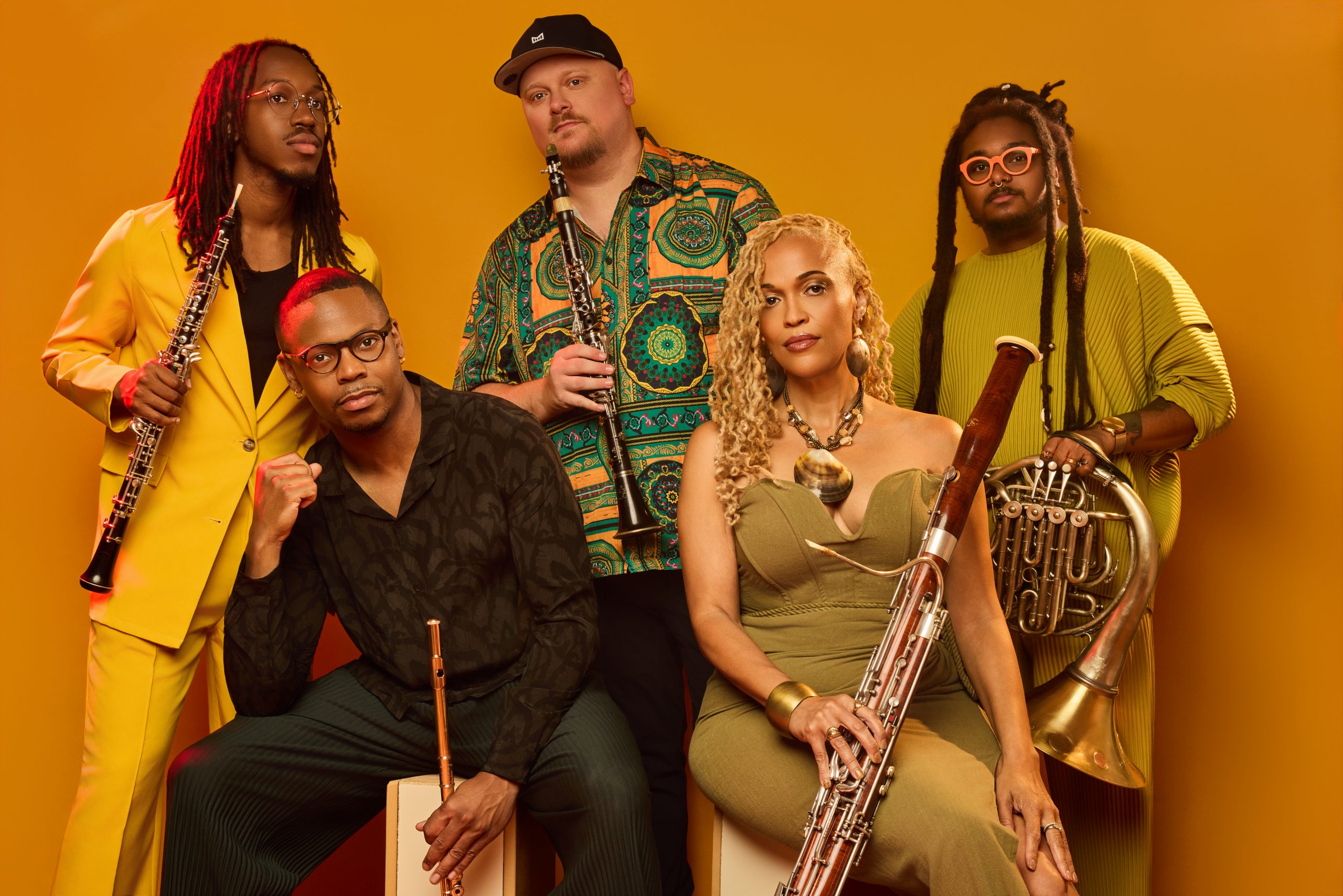
The Grammy-Award winning quintet Imani Winds' 2026 Festival programme is a kaleidoscope of artistry by rarely heard composers. The quintet has spent 25 years amplifying marginalised voices, whether through commissions such as Jessie Montgomery's migration-inspired work or its Legacy Commissioning Project. Their 2021 album Bruits explores themes of social justice and also received a 2022 Grammy nomination.

Imani Winds' programme is a vibrant tapestry echoing cultural memory and musical reinvention, weaving together jazz, classical and Afro-Latin influences. The programme opens with Valerie Coleman's arrangement of Afro Blue, Cuban-American Mongo Santamaría's hypnotic jazz standard re-imagined for winds. Fellow Cuban-American Paquito D'Rivera's Aires Tropicales dances between Cuban song and neo-classical wit, while Argentine-American Lalo Schifrin's La Nouvelle Orleans pays homage to the Creole roots of jazz.

Even with European works such as Jean Françaix's Quintet No. 2, Imani's signature blend of precision and spontaneity injects fresh vitality, proving that canonised forms need not be static. This fresh programme is a testament to how lesser-known musical voices can reshape classical traditions in the concert hall.

The sound of healing

Together, these programmes present two compelling perspectives on how American music engages with history and identity.  They reveal contemporary music's dual role in American society: as both witness to historical struggles and trauma, and as a medium for cultural renewal.

They also remind us that music can reflect the way that communities process their past and reimagine their futures. In an era of continued social reckoning, these musical conversations feel more relevant than ever.

Mivos Quartet—Steve Reich: The String Quartets

Date: 14 Mar, 2026

Venue: Concert Hall, Hong Kong City Hall

Details: https://www.hk.artsfestival.org/en/programme/Mivos-Quartet


Imani Winds—Soul's Delight

Date: 8 Mar, 2026

Venue: Concert Hall, Hong Kong City Hall

Details: https://www.hk.artsfestival.org/en/programme/Imani-Winds-Souls-Delight

ListClose

Acknowledgement