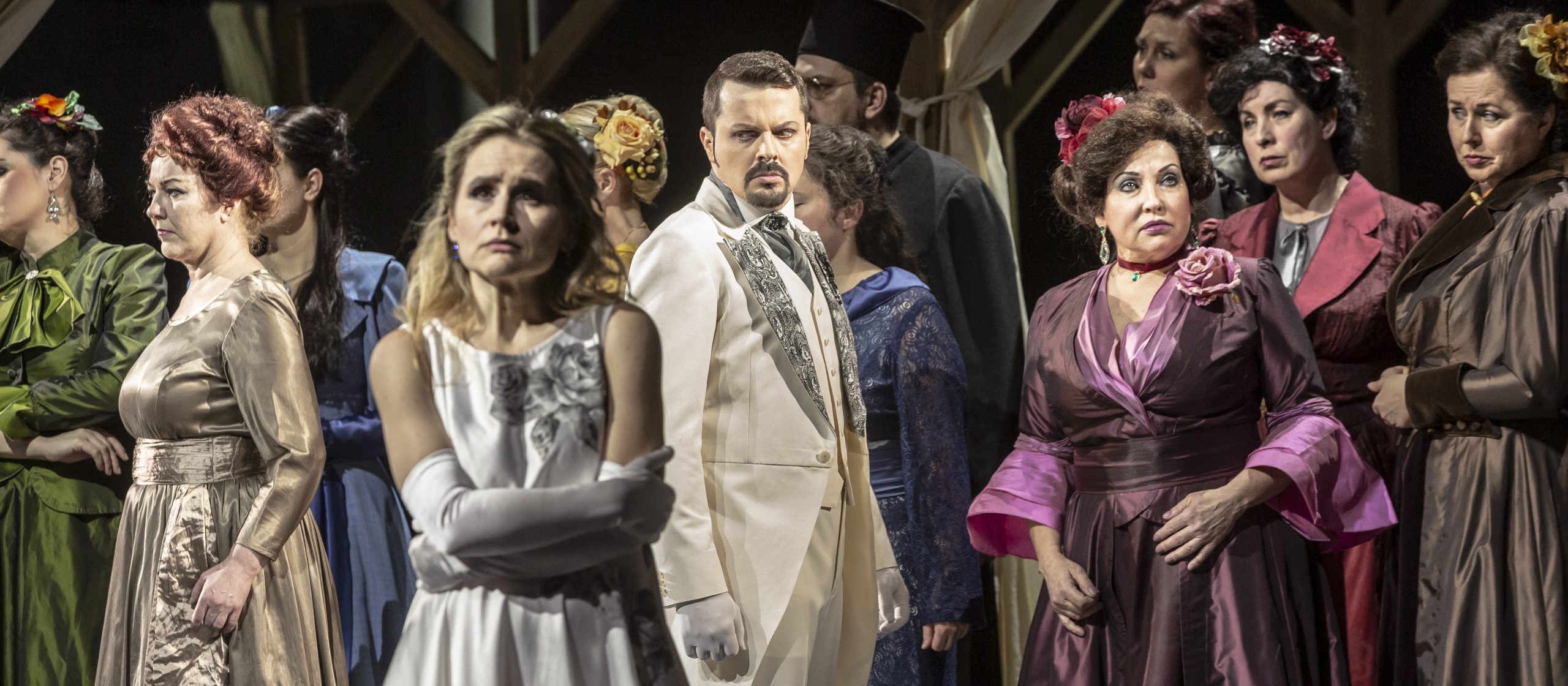
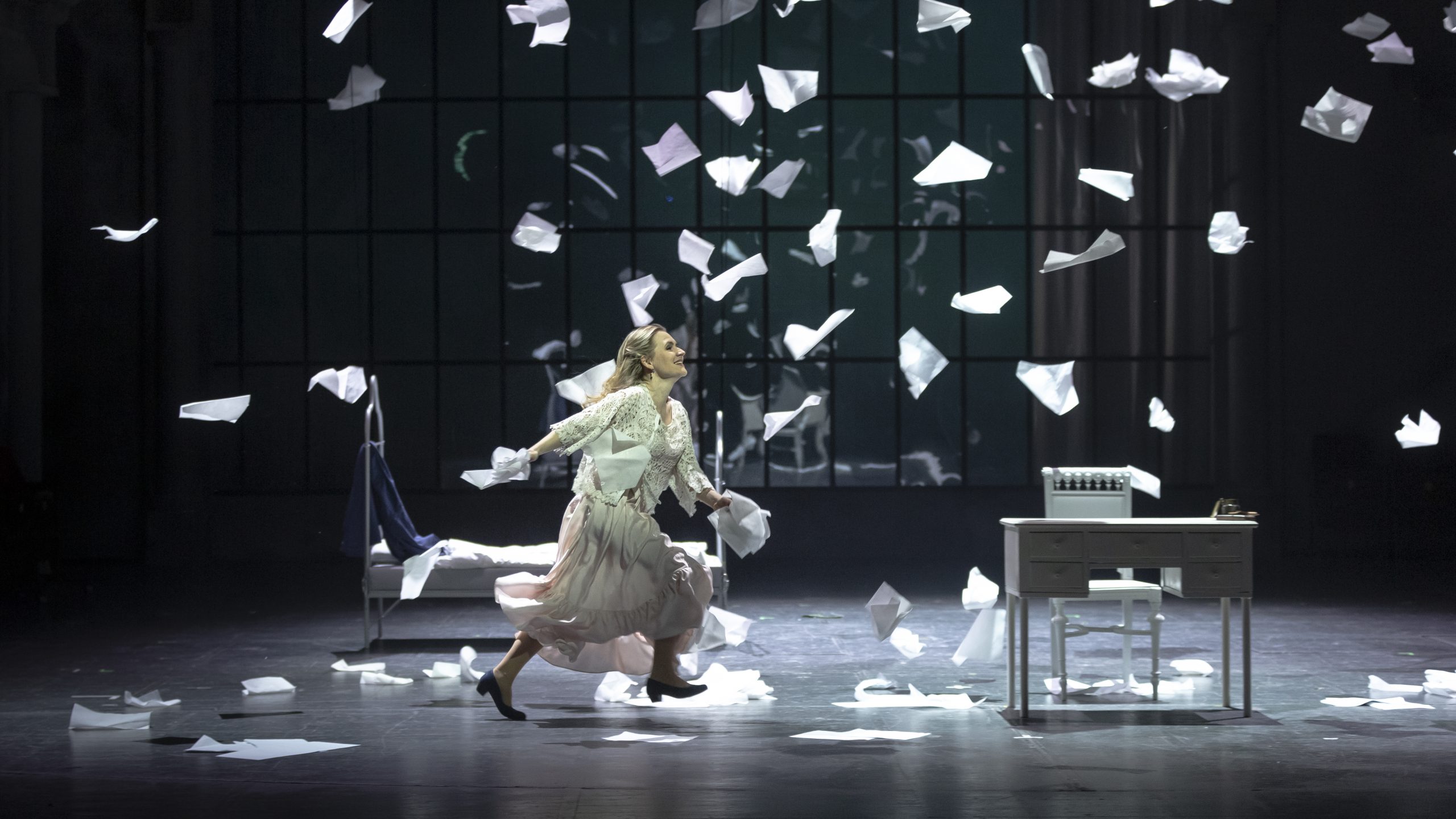
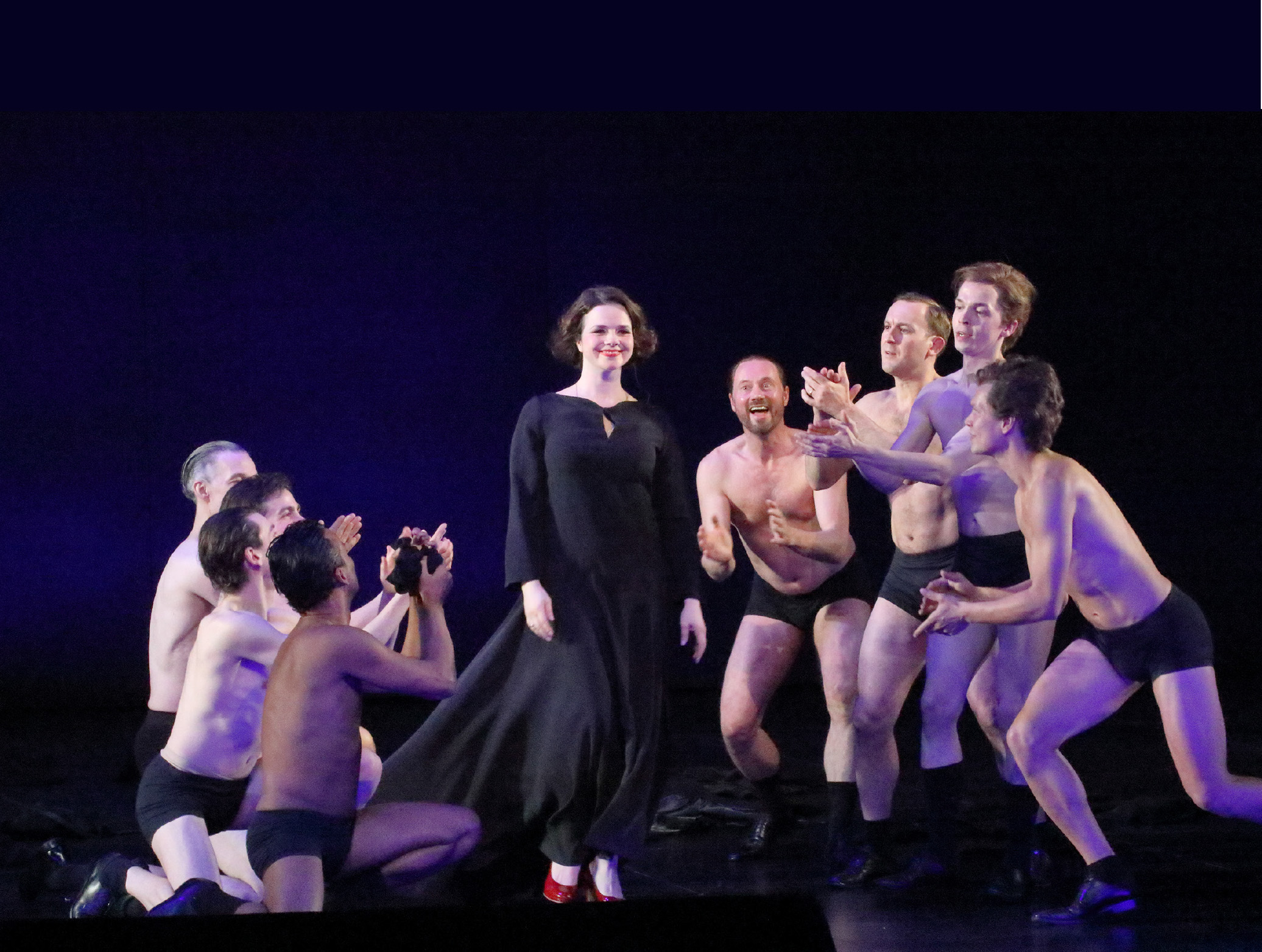
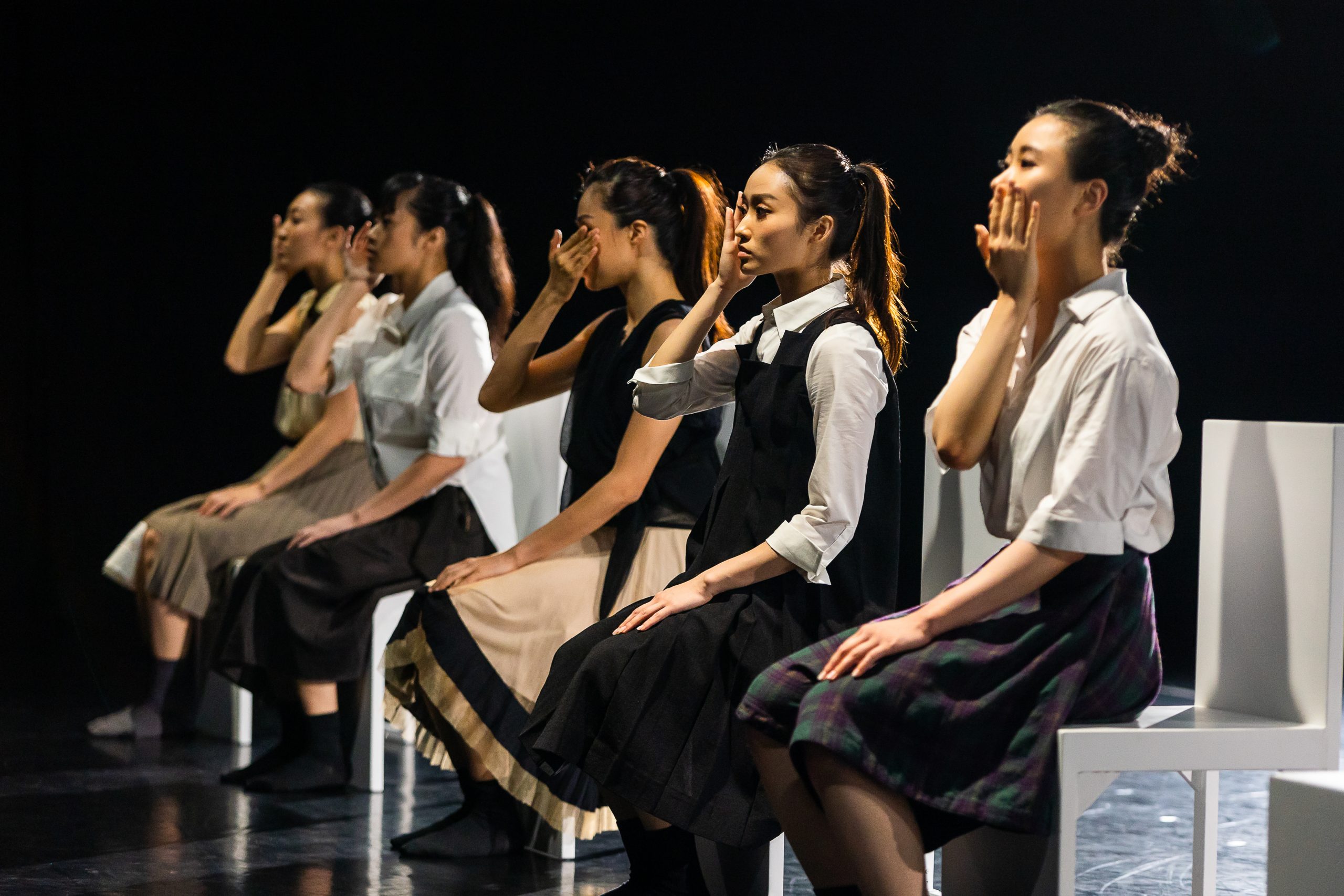
Tchaikovsky's Eugene Onegin is an extraordinary piece of work. It's an opera, but it's more like a collection of lyrical scenes. The Pushkin novel on which it is based is so well known that we won't go into the details—the audience can fill in the blanks themselves. And what makes it special is perhaps Onegin himself. Although he is the male protagonist, it is the unfortunate poet Lensky who most often shines in the opera; not to mention the imposing female lead Tatyana, who sings the grand "Letter Scene" aria. Tchaikovsky doesn't give Onegin any such powerful aria—and why not?
Is it perhaps because he is the "villain"? It is clear that Tchaikovsky doesn't really like the character of Onegin. His music is elegant, in line with his aristocratic background and social status. While it is not cold, at the end of the opera—just before he sees Tatyana again—the music carries a sense of distance; its melody not as pleasant as those of Lensky and Tatyana. Onegin rejects Tatyana's love and kills Lensky in a duel. He is a destroyer of all that is good, and ends up living a miserable and meaningless life in shame and regret, "without position, work, or wife".
But is Onegin really so bad? Take a closer look and you'll see that he, too, is a victim of society. Although he is a playboy, Onegin is not evil, otherwise he wouldn't have been so protective about Tatyana's bold profession of love; he could also have used her as a plaything. It is precisely because he is critical of the extravagance and deceitfulness of the upper class that he becomes a world-weary cynic. Maybe if people didn't gossip so much, opining about Onegin showing up as yet another suitor, perhaps he would have embraced Tatyana's love.
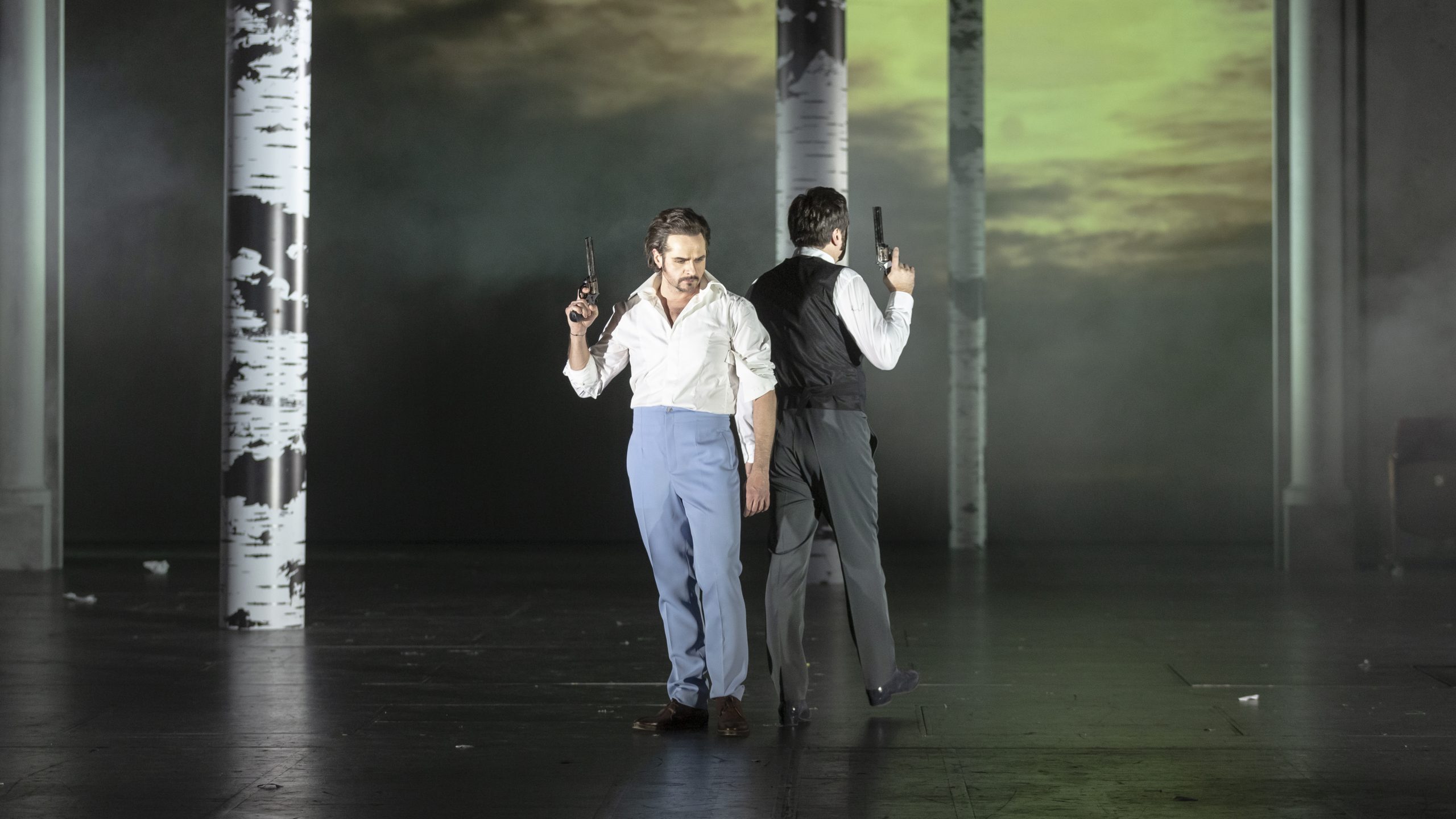
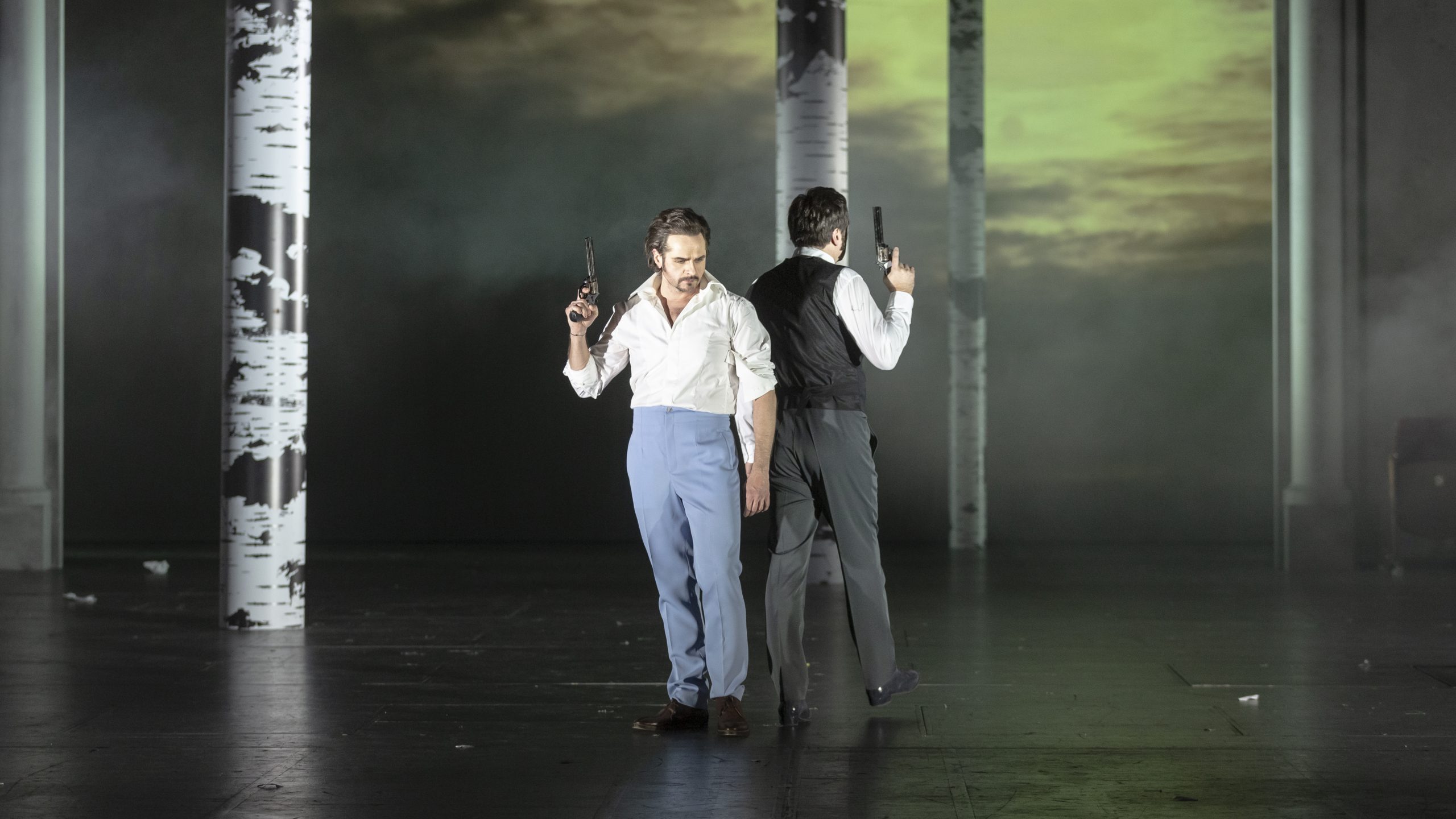
Flirting with his friend's fiancée, Olga, and then rashly agreeing to a duel—indeed, these are poor judgements on Onegin's part. But it is the social pressure weighing on him to push ahead with it that is truly bad. On the day of the duel, Olga forgets that it's happening and casually goes about her day; while Onegin shows up late, it's as though nothing really matters. In the end, Lensky is fatally shot in the chest, losing his life in the most meaningless way, and leaving Onegin haunted by pain and regret. Pushkin thoroughly understood that society sometimes drove people to murder, leading them down dark paths to death in nonsensical duels. Unfortunately, in reality, Pushkin was also killed in a duel.
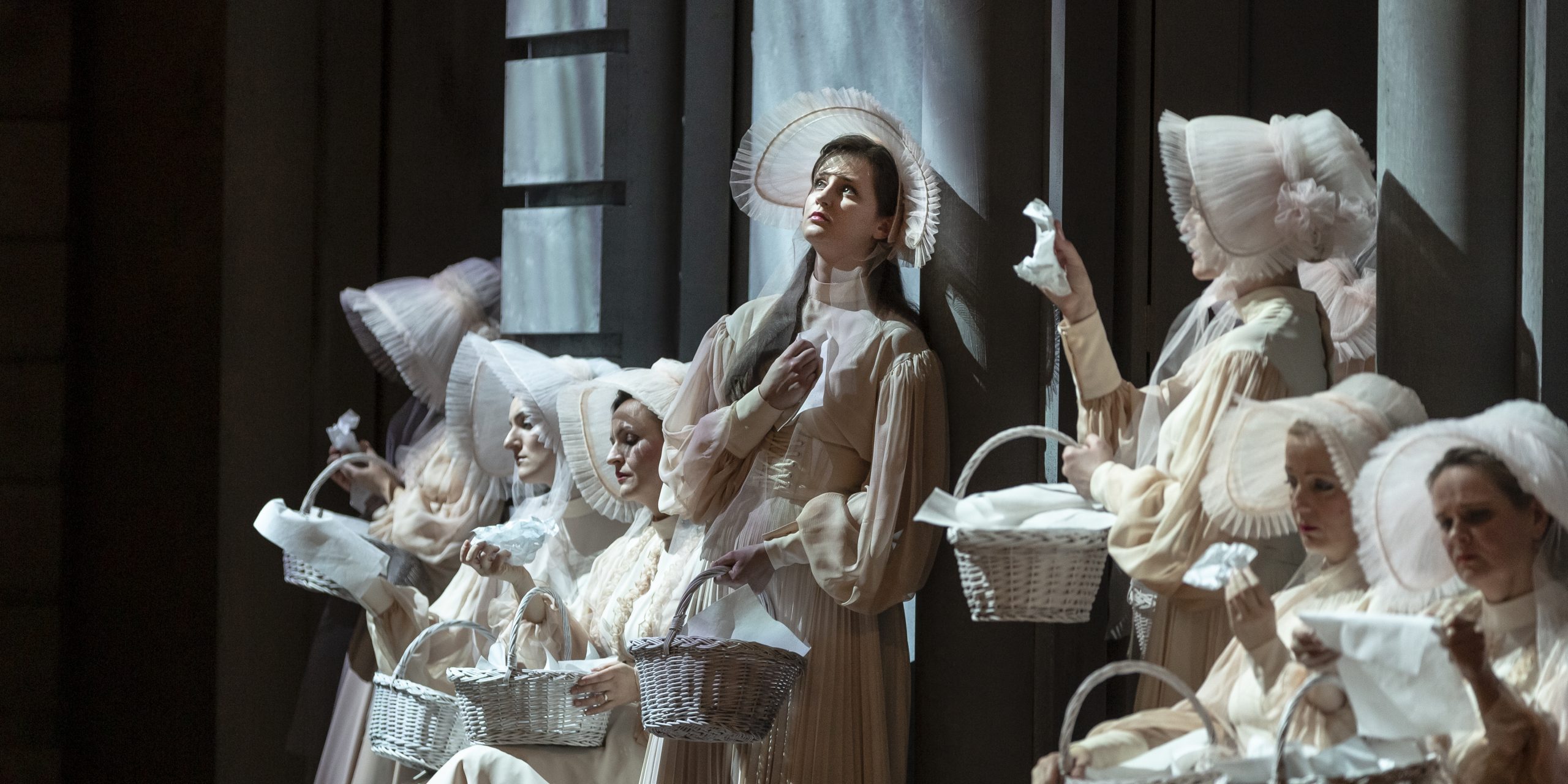
With so many complex layers folded into the text, how does Tchaikovsky present these in the opera? The French-speaking upper-class circles of the Westernised Saint Petersburg were worlds apart from the nature-filled countryside, where the land was owned by outsiders and old Russian culture was everywhere. We come across this time and again in Russian novels, from Eugene Onegin to Anna Karenina, and Tchaikovsky creates perfect musical representations of these in high fidelity. After the opening duet by the sisters, he brings in peasants singing in a choral response style typical of Russian folk music, which then evolves into a lively song and dance number. The waltz on Tatyana's Name Day and the Polonaise later in the grand ballroom in Saint Petersburg are even more concise, encapsulating everything in just a few bars, with the latter remaining one of Tchaikovsky's most popular concert pieces.
Pushkin was a master satirist and while Tchaikovsky does not fully incorporate his sarcasm, he does embrace the hidden barbs. For example, Lensky is not a great poet, according to Pushkin, and the first aria Tchaikovsky gives him (a declaration of love for Olga) may be melodically pleasant, but it's lyrically clichéd. However, when it comes to Lensky's solo before the duel, Tchaikovsky ignores Pushkin's mockery and composes a heartbreakingly beautiful song.
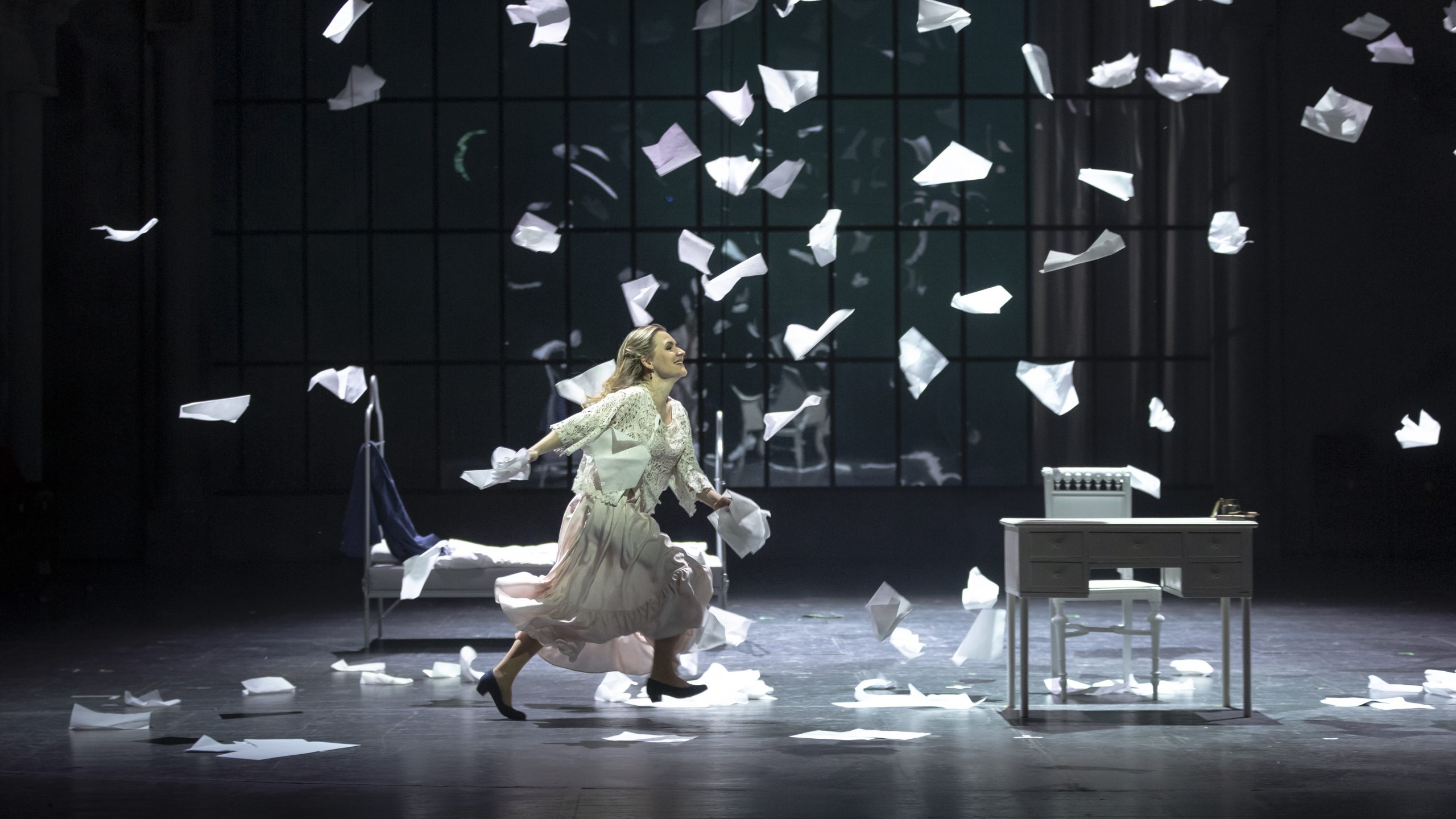
At the end of Scene One in Act Three, when Onegin's love for Tatyana heats up, his arioso takes on precisely the same melody as the beginning of the "Letter Scene". It is the greatest stab of irony and regret: Tatyana was correct in feeling that she and Onegin were meant for each other, yet the chance of them becoming a couple was gone forever. Those with sharp ears may hear that, at the end of the opera from Onegin's last line until the curtain falls, the music shifts to the key of E minor—the key representing Lensky. The composer wants us to know, right now, that it is Onegin who must bear the shattering of dreams and the tragedy of love.
Tchaikovsky's Eugene Onegin is truly special. It is worth putting in the time and effort to appreciate this opera, and the 2026 HKAF presentation of the version by the Czech Republic's acclaimed National Theatre Brno provides an opportunity for everyone to come and find out for themselves: who is the villain, and is the villainy justified?
National Theatre Brno—Tchaikovsky's Eugene Onegin
Date: 19-21 Mar, 2026
Venue: Grand Theatre, Hong Kong Cultural Centre
Details: https://www.hk.artsfestival.org/en/programme/National-Theatre-Brno-Tchaikovskys-Eugene-Onegin